conservatory servicing
Conservatory Servicing: Annual Checks That Prevent Big Bills
Don't let minor issues become major headaches! Learn how simple annual conservatory servicing can save you money and extend the life of your space.
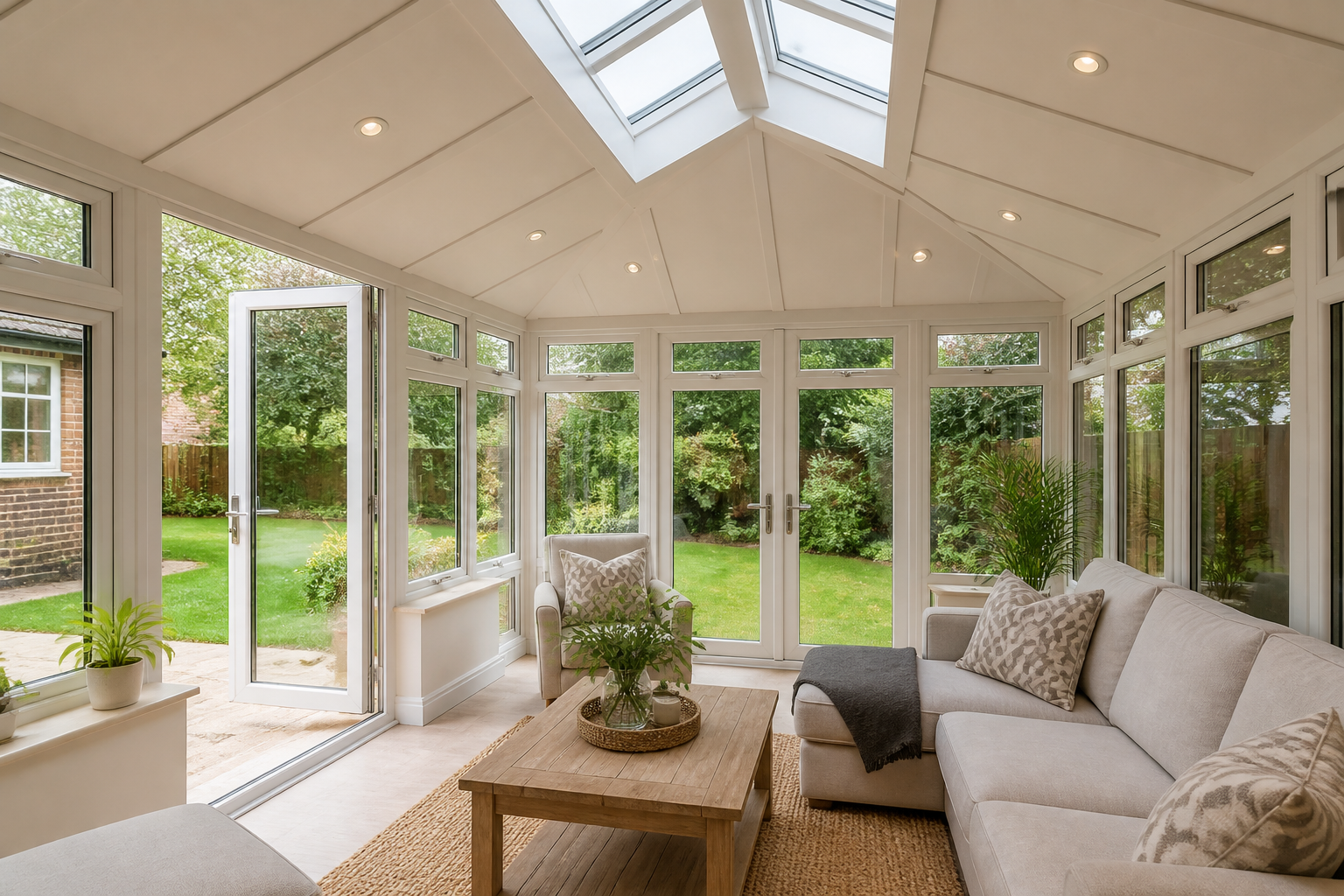
Conservatory Servicing: Annual Checks That Prevent Big Bills
Your conservatory offers a wonderful extension to your home, a bright and versatile space to enjoy throughout the year. However, just like any part of your property, it benefits from regular care. Overlooking routine conservatory servicing can lead to small issues escalating into significant, costly problems down the line.
This guide will walk you through essential annual checks that can help you identify potential issues early, saving you from much bigger bills and ensuring your conservatory remains a comfortable, leak-free haven.
Key Takeaways
✅ Regular annual checks are crucial for the longevity and efficiency of your conservatory. ✅ Proactive maintenance helps prevent minor issues from becoming expensive conservatory repair jobs. ✅ Focus on key areas like the roof, seals, gutters, and structural elements. ✅ Addressing problems early ensures your conservatory remains a comfortable, all-year-round living space. ✅ Consider upgrading to a SupaLite™ insulated warm-roof system for long-term benefits and reduced maintenance concerns.
Why Regular Conservatory Servicing Matters
Many homeowners cherish their conservatory but often overlook its maintenance until a problem becomes undeniable, like a leak or a noticeable draught. Unlike other rooms in your house, conservatories, especially those with older polycarbonate or glass roofs, are more exposed to the elements and can be prone to wear and tear.
Regular conservatory servicing isn't just about fixing things when they break; it's about preventative care. By taking a little time each year to inspect and address minor concerns, you can extend the life of your conservatory, maintain its aesthetic appeal, and, crucially, avoid the stress and expense of major repairs. This proactive approach ensures your conservatory remains a valuable asset, rather than a neglected space that's too hot in summer and too cold in winter.
Roof Inspection: Your Conservatory's First Line of Defence
The roof is arguably the most critical component of your conservatory, bearing the brunt of British weather. A thorough annual inspection of your conservatory roof is paramount. Look for any signs of damage, degradation, or debris build-up.
Checking for Damage and Debris
Begin by visually inspecting the exterior of the roof from the ground if possible, or using a sturdy ladder with caution. Look for:
- Cracks or Gaps: On older polycarbonate or glass roofs, check for any visible cracks, chips, or gaps in the panels or between them. These are prime entry points for water.
- Moss and Algae: While often harmless, excessive moss or algae can trap moisture, obscure damage, and, in severe cases, even lift seals. Gently remove it where safe to do so.
- Debris Build-up: Leaves, twigs, and general dirt can accumulate, especially in valleys or near the house wall, blocking drainage and potentially causing water to pool.
If your conservatory roof is showing significant signs of age, becoming discoloured, or failing to insulate properly, it might be time to consider a conservatory roof replacement. Our SupaLite™ insulated warm-roof systems offer a permanent solution to these common problems, transforming your conservatory into a truly usable room all year round.
Seals, Gaskets, and Flashing
These components are vital for preventing water ingress. Over time, UV exposure and temperature fluctuations can cause them to perish, shrink, or become brittle.
- Rubber Seals & Gaskets: Inspect all rubber seals around panels and framework. Are they still pliable? Are there any visible cracks or pieces missing?
- Silicone Sealants: Check any silicone sealant applications, particularly where the conservatory meets the main house wall. Look for peeling, cracking, or discolouration, which can indicate a breakdown of the seal.
- Flashing: Ensure the flashing where the conservatory roof meets the house wall is securely in place and not lifted or damaged. This is a common area for leaks if compromised.
Guttering and Drainage: Keeping Water Flowing Freely
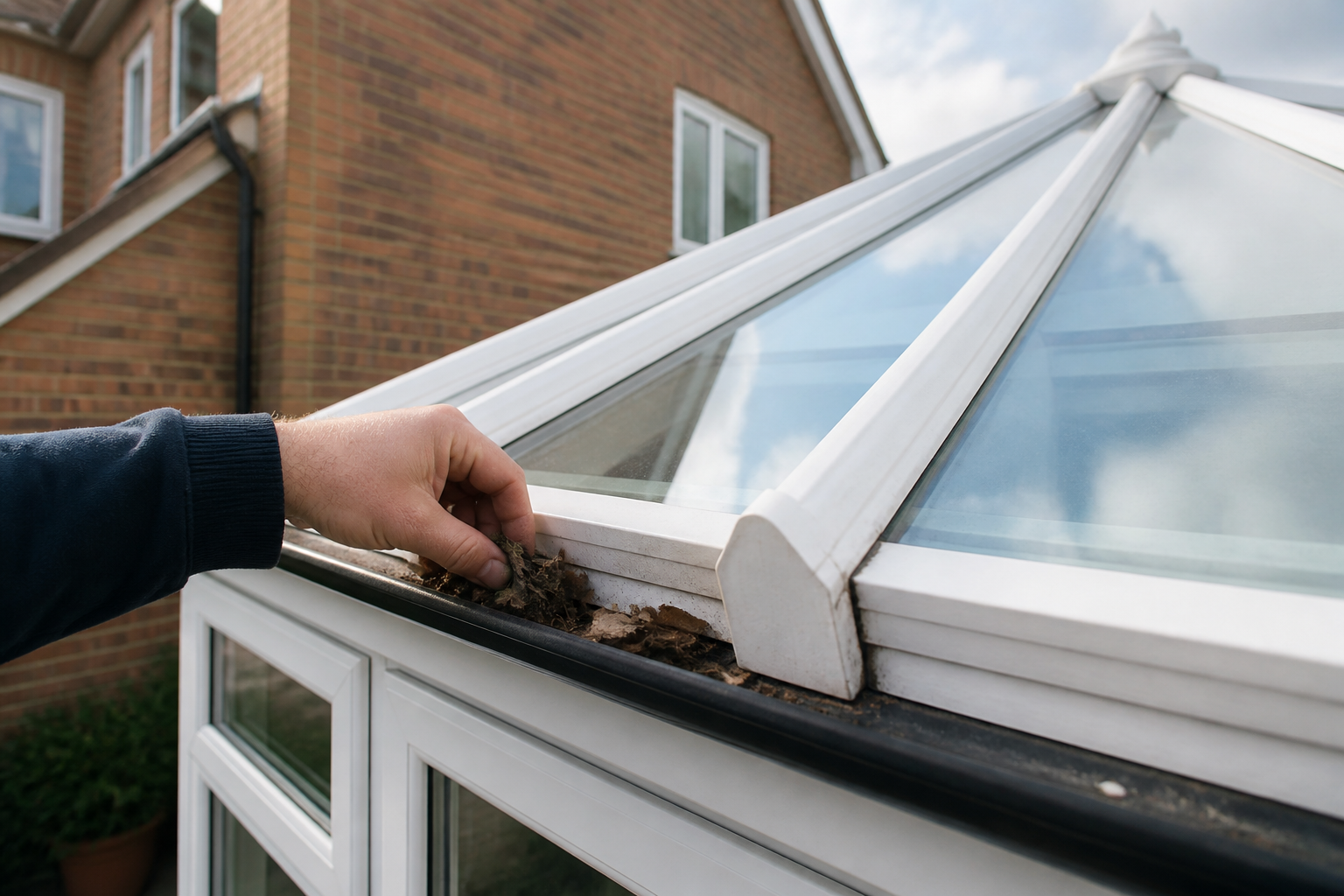
Blocked or damaged guttering is a leading cause of conservatory leaks and can lead to damp problems in surrounding areas. It’s an easy fix that can prevent serious future conservatory repair issues.
Clearing Gutters and Downpipes
Ideally, this should be done twice a year, especially after autumn.
- Debris Removal: Clear out any leaves, moss, silt, or other debris from your conservatory gutters. A small scoop or gloved hand works well.
- Downpipe Check: Ensure downpipes are free-flowing. You can pour a bucket of water into the gutter to check for blockages. If water backs up, you'll need to clear the downpipe.
- Joints and Brackets: Check that all gutter joints are secure and not leaking. Ensure brackets are firmly attached and supporting the gutter properly. Loose brackets can cause the gutter to sag, leading to standing water.
Comparing Conservatory Roof Types & Their Maintenance Needs
Different conservatory roof types have varying maintenance requirements. Here's a brief comparison:
| Roof Type | Typical Lifespan (Years) | Common Issues | Maintenance Needs (Annual) | Energy Efficiency (Approx.) |
|---|---|---|---|---|
| Polycarbonate | 10-20 | Leaks, discolouration, poor insulation | Gasket checks, cleaning, seal top-ups | Poor |
| Glass | 20-30+ | Leaks, condensation, glare | Seal checks, cleaning, glass integrity checks | Moderate |
| SupaLite™ Warm Roof | 40-60+ | - (High durability) | Guttering, external clean (very low internal) | Excellent |
As you can see, a warm roof conservatory significantly reduces long-term maintenance headaches while dramatically improving energy efficiency.
Doors and Windows: Security and Efficiency Checks
The doors and windows of your conservatory are not just about light and access; they're crucial for security, insulation, and weatherproofing. Regular checks here contribute to the overall comfort and energy efficiency of your space.
Mechanisms, Locks, and Hinges
- Operation: Open and close all doors and windows. Do they operate smoothly? Are there any catches or stiffness?
- Lubrication: Apply a silicone-based lubricant to hinges and locking mechanisms. Avoid oil-based lubricants as they can attract dirt.
- Security: Check that all locks engage properly and feel secure. If you have multi-point locking systems, ensure all points are functioning.
Draughts and Leaks
- Visual Inspection: Look for gaps around the frames when doors and windows are closed.
- The "Paper Test": Close a window or door on a sheet of paper. If you can easily pull the paper out, the seal isn't tight enough, indicating a potential draught or leak point.
- Seal Condition: Inspect the rubber seals around all opening elements. Are they intact and flexible, or have they become hardened, cracked, or shrunken?
Structural Integrity and General Cleanliness
Beyond the roof, doors, and windows, the overall structure and cleanliness of your conservatory play a role in its longevity and your enjoyment.
Frame Inspection
- PVC Frames: Check for cracks, discolouration, or bowing in the PVC frames. Clean them regularly to prevent staining and maintain their appearance.
- Timber Frames: If you have a timber-framed conservatory, inspect for rot, woodworm, or peeling paint/varnish. Address these issues promptly to prevent further decay.
- Fixings: Ensure all visible fixings and bolts are secure and not corroded.
Cleaning and Ventilation
- Glass Cleaning: Regular cleaning of both internal and external glass not only improves aesthetics but also allows you to spot any issues more easily.
- Internal Condensation: While some condensation is normal, excessive internal condensation can indicate poor ventilation or insulation. Ensure vents are clear and consider opening windows regularly. If you have an older, inefficient roof, persistent condensation might signal the need for an upgrade to an insulated tiled conservatory roofs system.
- Ventilation Systems: If you have roof vents or extractors, ensure they are clean and operating correctly.
Common mistakes to avoid
- Ignoring small issues: A dripping leak or a slight draught might seem minor, but they can quickly lead to much larger, more expensive problems like damp, mould, or structural damage.
- Using harsh chemicals: Avoid abrasive cleaners or strong chemical solvents on your conservatory frames and glass, as they can damage surfaces and seals.
- Neglecting gutters: Clogged gutters are one of the most common causes of conservatory leaks. Make sure they’re clear, especially after heavy leaf fall.
- DIY repairs without expertise: While minor tasks are manageable, attempting complex conservatory roof repair or structural fixes without proper knowledge can cause more harm than good.
- Postponing professional assessment: If you suspect a significant issue, delaying a professional inspection can turn a repairable problem into a full-scale replacement need.
Frequently asked questions
H3: How often should I service my conservatory?
It’s highly recommended to perform a thorough check at least once a year, ideally in spring, to assess any winter damage and prepare for the warmer months. A quick check of gutters after autumn leaf fall is also advisable.
H3: What are the signs my conservatory roof needs replacing?
Common signs include persistent leaks, extreme temperature fluctuations (too hot in summer, too cold in winter), excessive noise during rain, visible cracks or discolouration, and high energy bills due to poor insulation.
H3: Can I carry out all the maintenance myself?
Many routine checks and cleaning tasks can be done safely by a homeowner. However, any work involving heights, significant repairs, or structural components is best left to experienced professionals who have the right tools and expertise.
H3: Is it worth replacing an old polycarbonate roof?
Absolutely. Upgrading from an old polycarbonate roof to a modern, insulated system like the SupaLite™ warm-roof can completely transform your conservatory, making it a comfortable, energy-efficient room you can enjoy all year round.
H3: Do I need planning permission for a conservatory roof replacement?
In most cases, replacing a conservatory roof with a lightweight, insulated solid roof does not require planning permission, as it's considered a 'permitted development'. However, it's always wise to check current building regulations for your specific project, especially if you're in an area like Plymouth. For example, our conservatory roofs in Plymouth are often fitted without needing extensive planning, but we always advise checking.
H3: How can I improve my conservatory's insulation?
The most effective way to improve insulation is to replace an old, inefficient roof with a modern, insulated warm-roof system. This dramatically reduces heat loss in winter and heat gain in summer, making your conservatory a truly comfortable space.
Regular care and attention to your conservatory can truly make a difference in its longevity and your enjoyment of the space. While routine checks are vital, sometimes a deeper issue or an outdated system calls for a more significant solution.
If you're in Plymouth, Devon, or Cornwall, and your conservatory roof is showing its age, we specialise exclusively in fitting the market-leading SupaLite™ insulated warm-roof system. We don't fit any other type of system, ensuring unparalleled expertise and a perfect, durable finish every time. For a free, no-pressure survey and a quote, give us a call on 07703 607365. Our lead times are typically 4–6 weeks, sometimes as quickly as 2 weeks, with prices starting from £6,000. You'll also benefit from two 10-year insurance-backed guarantees covering both the product and our workmanship, giving you complete peace of mind.
Related reading
Free, no-pressure quote on your conservatory roof
Based in Plymouth — covering Devon & Cornwall. 10-year insurance-backed guarantee.
Ready to Transform Your Conservatory?
Get a free, no-obligation quote for your conservatory roof replacement. We'll visit your home, assess your conservatory, and provide a detailed written quote.
No pushy sales · Same-day reply · 10-year insurance-backed guarantee
Get your free quote
Tell us a little about your conservatory and we'll come back to you within 48 hours. No pushy sales, no obligation.