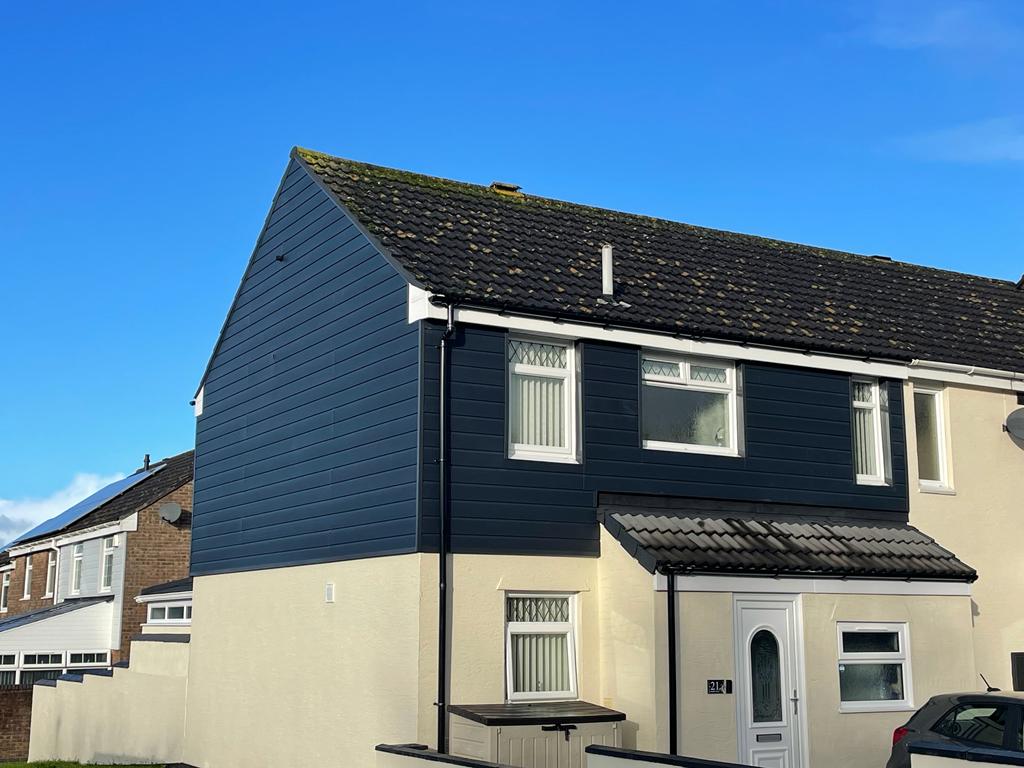
Plymouth's Composite Cladding Installers
Transform and protect your home with professionally installed composite and external cladding from Better Roof. We install attractive, low-maintenance cladding across Plymouth and surrounding areas, with a free home survey and quotation.
No pushy sales · Same-day reply · 10-year insurance-backed guarantee
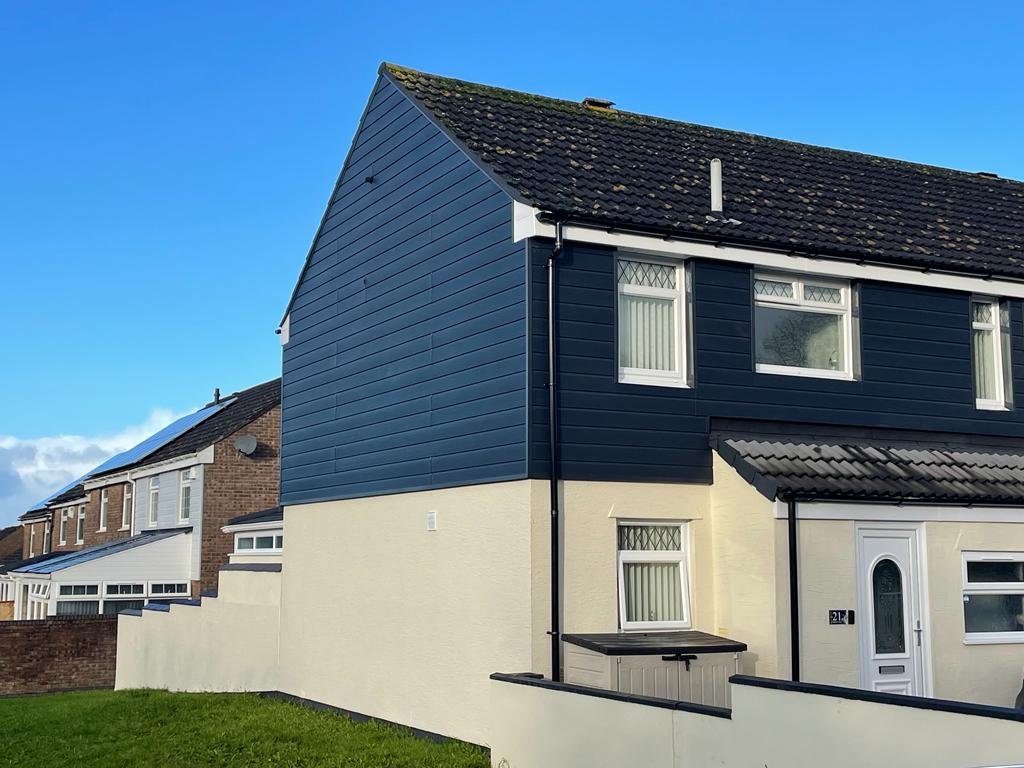
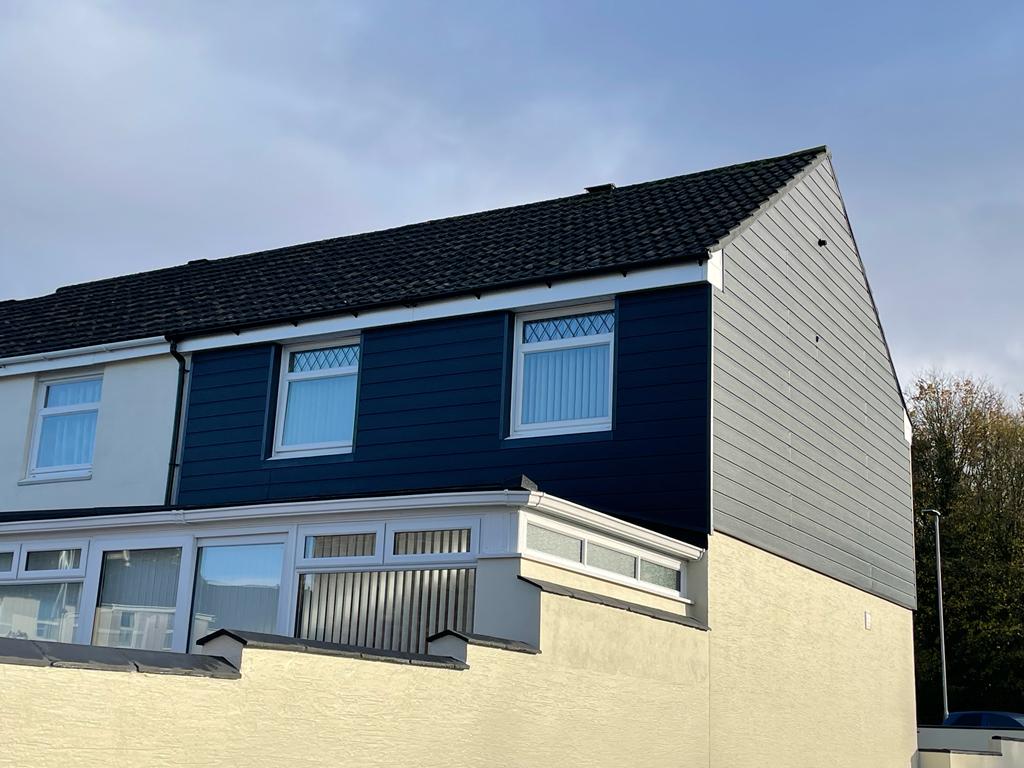
Cladding covers your outside walls with a new weatherproof skin. It hides tired render, stained pebble-dash or patched brickwork, and protects the wall behind from the rain and salt air that South West homes get so much of. We clad whole houses, single elevations, extensions, dormers and conservatory walls.
Every job starts with a free survey. We check the condition of your walls, measure up, show you colours and finishes, and give you a fixed written price before anything starts.
If your outside walls look like any of these, cladding could be the answer.
Cracked, hollow-sounding or patched render that lets water in and looks worn.
Pebbledash with cracks, missing stones or green and black staining.
Old timber cladding that's soft, split or needs replacing board by board.
Walls that need repainting every few years just to look presentable.
We install Durasid composite cladding — boards made to look like painted timber weatherboard, without the upkeep. They don't rot, split or need repainting, and they hold their colour well on exposed, south-facing walls. For most homes, this is the product we recommend.
The boards are fixed to a ventilated batten frame on the existing wall, so air can move behind them and any moisture drains away. Trims finish the corners, window reveals and edges so the result looks neat and stays weather-tight. Where you'd like a warmer house, insulated cladding adds an insulation layer behind the boards.
Composite boards with a painted-weatherboard look, a colour-through finish and very little upkeep — with the option of insulation behind the boards.
Many Plymouth homes have pebbledash or render that has cracked, stained or come loose. Cladding can usually go straight over it on a batten frame, without stripping the wall. Before we quote, we check the substrate is sound and look for signs of damp — tapping for hollow render, checking for cracks and looking at the wall inside. Any loose areas or damp are dealt with first, because cladding should never hide a problem.
Dormers, gable ends and bay windows are the parts of a house that are hardest to reach and repaint, so they're often the first places people clad. We fit boards and matching trims around the window frames and corners so the finish looks neat and stays weather-tight. Access is planned at the survey, and higher work normally needs scaffolding.
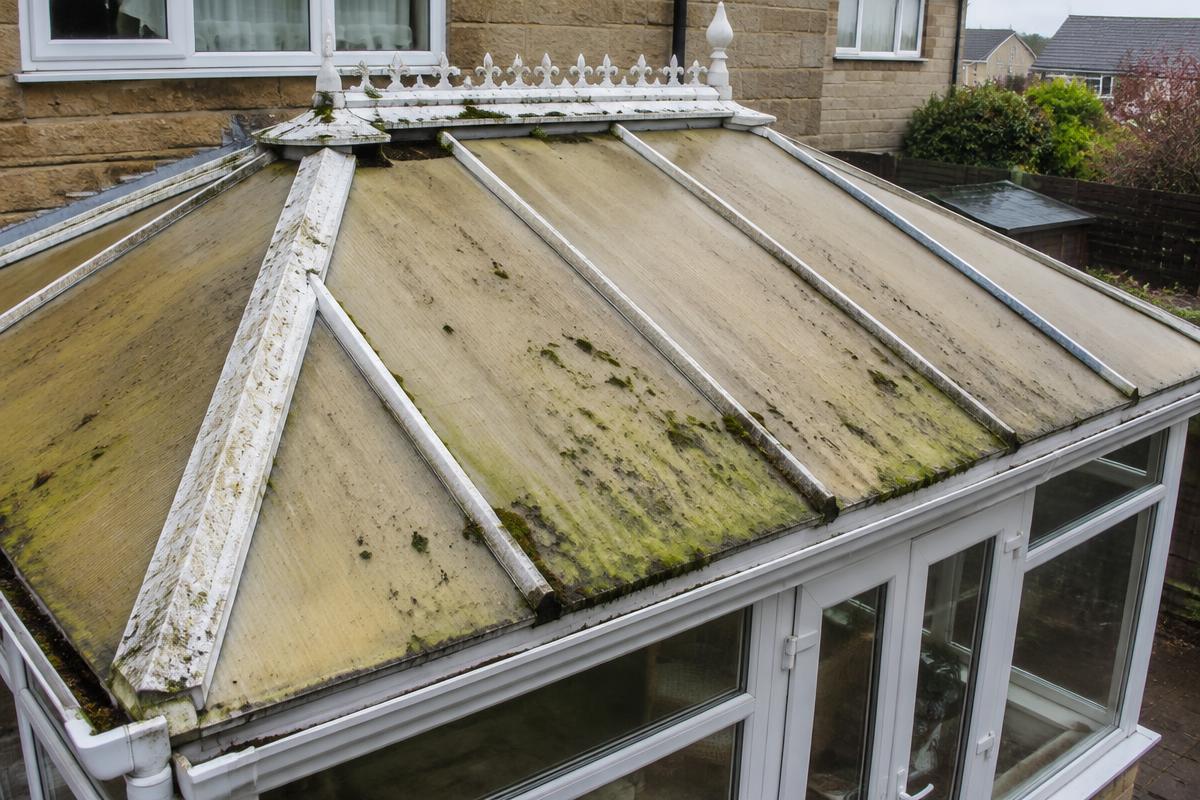
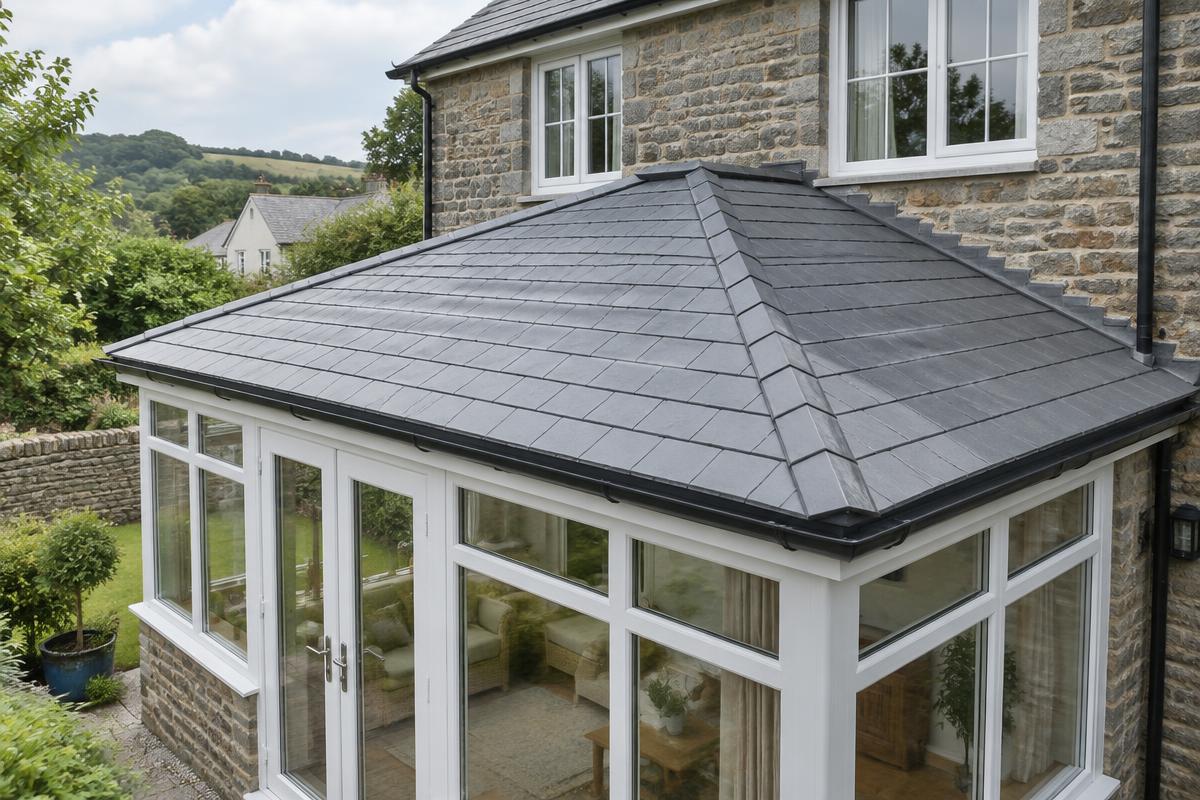
The low brick or block wall under a conservatory can look dated next to new windows or a new roof. Cladding the dwarf wall is a natural pairing with a warm roof conservatory or a full conservatory roof replacement, so the whole conservatory looks finished inside and out.
Insulated cladding adds an insulation layer behind the boards, which reduces heat loss through the wall it covers. How much difference it makes depends on the existing wall, the insulation used and the area clad, so we'll explain what's realistic for your house at the survey rather than promise a figure.
We check the walls for damp and loose render, measure up and talk through options.
Pick the board profile and colour from samples, then get a fixed written quote.
A ventilated batten frame and membrane go on first, then the boards.
Corners, window reveals and edges trimmed, then a walk-round with you and a tidy site.
The colour runs through the board, so there's no painting cycle to keep up.
A weatherproof skin over tired render, pebbledash or brick.
Doesn't rot or split like timber — just an occasional gentle wash.
Transforms the outside of your home without re-rendering or rebuilding.
Popular choices include anthracite grey, light grey, white, cream and wood-effect finishes, in horizontal weatherboard or vertical board styles. We bring samples to your survey so you can see them against your brick, windows and roof.
Composite cladding needs very little care: an occasional low-pressure wash removes dirt and any green growth. Never use a high-pressure jet close to the boards. If you'd rather not do it yourself, our exterior cleaning team can wash it for you, alongside render cleaning for any rendered walls.
Honest, typical price ranges so you can plan with confidence — every quote is bespoke after a free home survey.
We don't publish a fixed price, because these things change the cost on every house:
Your free survey gives you a fixed written quote. Book yours here.
A locally based crew covering the South West — most projects are within 30 minutes of our Barbican workshop.
We install cladding across Plymouth, the South Hams and East Cornwall, including:
We also look after conservatory roofs — see conservatory roof replacement — and offer roof cleaning.
| Composite cladding | Render | Timber cladding | Repainting | |
|---|---|---|---|---|
| Maintenance | Occasional gentle wash | Cleaning, repairs and repainting if painted | Regular staining or painting | Repeat every few years |
| Lifespan | Decades — depends on product | Long if sound; cracks need repair | Shorter without upkeep | A few years per coat |
| Look | Painted weatherboard | Smooth or textured masonry | Natural wood | Same wall, new colour |
| Cost band | Higher upfront | Mid to high | Mid | Lowest upfront |
| Insulation option | Yes — insulation behind boards | Yes, with an insulated render system | Possible behind boards | No |
General guide only. Your survey gives you a fixed written quote and the manufacturer's details for the product chosen.
It depends on the wall area, access (scaffolding or not), how much preparation the existing walls need, the cladding product and how many windows, corners and trims are involved. Because every house is different, we don't publish a fixed price. We measure up on a free home survey and give you a fixed written quote.
For most homes in the South West we recommend composite cladding. It doesn't need painting, won't rot, and copes well with wet, salty coastal weather. Where you also want to improve warmth, insulated cladding adds an insulation layer behind the boards. We'll talk through the options at your survey.
The boards themselves don't absorb water the way timber does. The wall stays dry because of how the system is installed: a ventilated batten frame behind the boards lets any moisture drain and dry out, and trims seal the edges around windows and corners.
Standard cladding is mainly about protection and appearance and adds little insulation on its own. Insulated cladding includes an insulation layer behind the boards, which helps reduce heat loss through the walls. We'll tell you honestly which suits your house.
Often it doesn't, but it depends. Rules differ for listed buildings, conservation areas and flats, and cladding that looks very different from the original house may need approval. Check the Planning Portal or ask your local council; we'll flag anything we spot at the survey.
Composite cladding is designed to last for decades with very little maintenance, typically an occasional wash down. The exact lifespan and guarantee depend on the product chosen, and we'll give you the manufacturer's details with your quote.
Usually, yes. Cladding is fixed to a batten frame on top of sound brick, block or render. If the existing wall has damp, loose render or cracks, those need sorting first, and we'll point them out on the survey.
It depends on the size of the house, the access and the weather. We'll give you an expected timescale with your quote so you know what to plan for.
Often, yes. Cladding is fixed to battens over the pebbledash, so it doesn't need removing. We first check the pebbledash is firmly attached and that there's no damp in the wall behind it; loose areas or damp have to be dealt with before cladding goes on.
Yes. Dormer cheeks and fronts are a common place to fit composite cladding, as they're hard to reach for repainting. Access and the condition of the existing dormer are checked at the survey, and scaffolding is usually needed.
It depends on what you want. Composite cladding gives a weatherboard look and doesn't need repainting; render gives a smooth or textured masonry finish but can crack, stain and may need painting or cleaning over time. We'll talk through both honestly at your survey.
Popular choices include anthracite grey, light grey, white, cream, navy and wood-effect finishes. The exact range depends on the product, and we bring samples to your survey so you can see them against your home.
Straight answers to the things people ask us most.
Tell us a little about your conservatory and we'll come back to you within 48 hours. No pushy sales, no obligation.
Snap a few photos of the walls you'd like clad and send them on WhatsApp. We'll take a first look and arrange a free home survey to measure up and give you a fixed written quote.