
render turning green
Why Is My Render Turning Green?
If your home's render is turning green, it's likely due to algae, moss, or lichen growth, which can be safely and effectively removed by professionals.
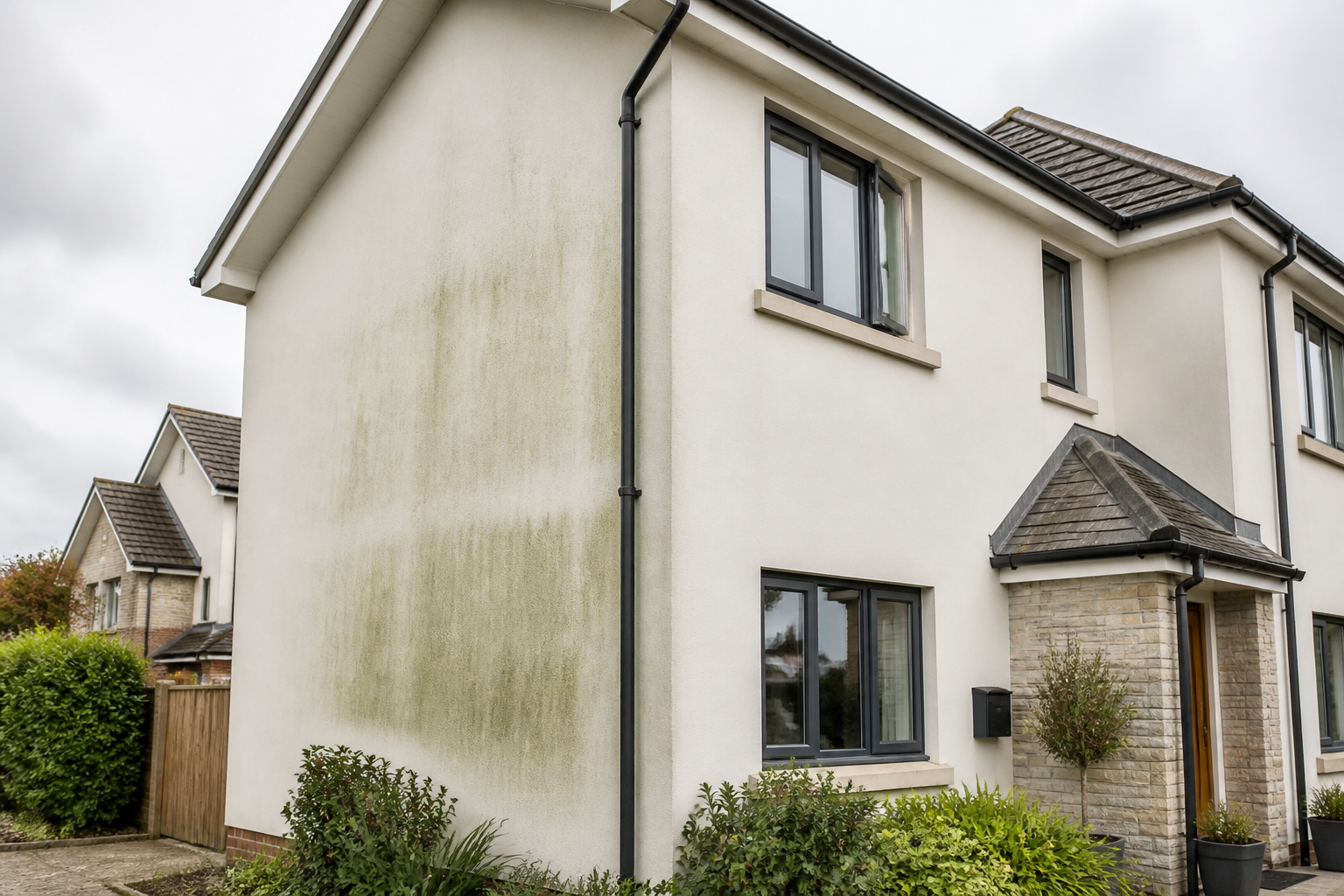
Why Is My Render Turning Green?
If you've noticed a green tinge appearing on your home's render, you're not alone. This common issue is primarily caused by the growth of algae, moss, and sometimes lichen on the exterior surface, thriving in the damp, shaded conditions prevalent in the UK. Understanding the root causes and appropriate solutions can help restore your render's appearance and protect your property.
✅ Key takeaways: ✅ Green render is usually caused by algae, moss, or lichen growth. ✅ Damp, shade, and organic debris encourage this growth. ✅ Softwashing is the recommended and safest method for cleaning render. ✅ Never use high-pressure washing on render, especially K Rend or silicone render. ✅ Regular cleaning and biocide treatments can prevent regrowth and maintain appearance.
The Science Behind Green Render: Algae, Moss, and Lichen
The green colouration on your render isn't just dirt; it's a living organism. Let's delve into what causes it and why it's so common.
Algae
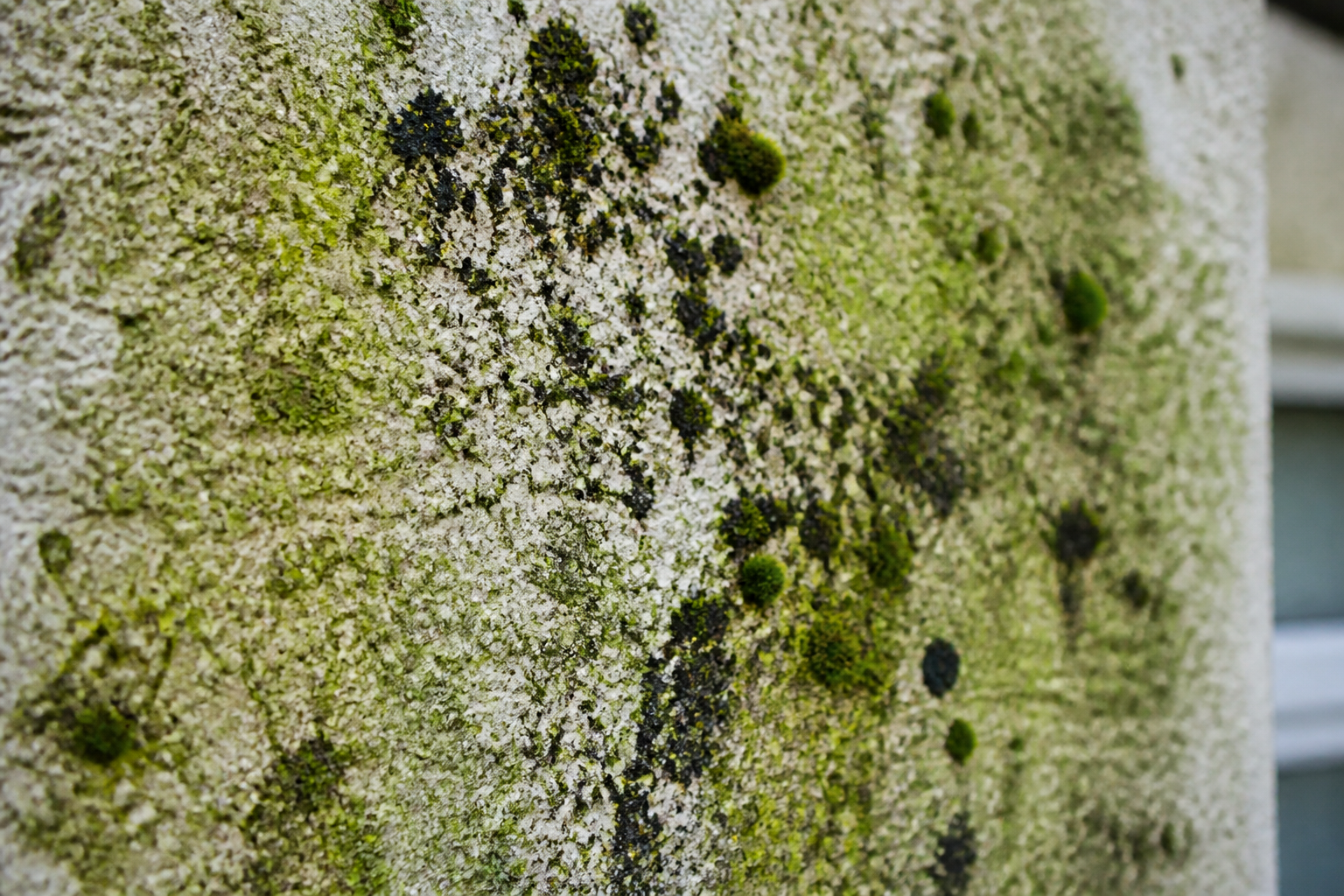
Algae are simple, plant-like organisms that thrive in moist environments. They are the most common culprit behind green render. They attach themselves to the surface and can spread rapidly, especially in shaded areas or on sides of a property that don't receive much direct sunlight. Rain and humidity provide the perfect conditions for algae to flourish, leaving an unsightly green film.
Moss
Moss is a slightly more complex plant that prefers damp, nutrient-rich surfaces. Once algae has established itself, moss often follows, as it can anchor into the fine texture of the render and feed off the organic matter present. Moss tends to have a more textured, carpet-like appearance compared to the smoother film of algae and can hold even more moisture against your render, potentially causing long-term issues if left unaddressed.
Lichen
Lichen is a fascinating composite organism made up of a fungus and an alga living together in a symbiotic relationship. It often appears as crusty, patchy growths in various colours, including green, grey, yellow, and orange. Lichen is generally tougher to remove than just algae or moss, as it adheres very strongly to surfaces and can gradually etch into the render over time.
Why Does My Render Attract Growth?
Several factors contribute to the proliferation of these organisms on your render. It's often a combination of environmental conditions and the render's characteristics.
Environmental Factors
The UK's climate is particularly conducive to biological growth. High rainfall, humidity, and often mild temperatures create an ideal breeding ground. Shaded areas of your property, such as those north-facing or overshadowed by trees and neighbouring buildings, are especially vulnerable as they dry out more slowly. Poor drainage around the base of your property can also splash moisture onto the render, encouraging growth from the ground up.
Render Type and Porosity
Different types of render have varying levels of porosity, which can influence how quickly they attract and retain moisture. Older, more porous renders might absorb water more readily, creating a consistently damp surface for growth. Modern silicone or K Rend systems are designed to be more water-resistant, but they are not entirely impervious to biological growth, especially where there's persistent dampness or shade. The texture of the render can also play a role, with rougher finishes providing more nooks and crannies for spores to settle.
Airborne Spores and Debris
Algae, moss, and lichen spores are ubiquitous in the air. They are carried by wind and rain and can land on any surface. Coupled with organic debris such as leaves, dust, and general pollution accumulating on your render, these spores find the nutrients they need to germinate and grow. Overhanging trees, for example, not only cast shade but also drop leaves and provide a constant source of spores.
The Problems with Green Render
Beyond the aesthetic concerns, green render can pose several practical issues for your home.
Aesthetic Impact
The most immediate and obvious problem is the visual impact. Green, discoloured render detracts significantly from your home's kerb appeal, making it look neglected and older than it is. This can be particularly noticeable on lighter-coloured renders, making the green stand out starkly.
Potential for Damage
While algae and moss themselves don't directly "eat" render, their presence can lead to other problems. Moss, in particular, holds moisture against the surface. During colder months, this trapped water can freeze and expand, potentially causing small cracks and delamination in the render. Over time, these minor issues can worsen, leading to costly repairs. Lichen, with its strong adhesive properties, can also gradually etch into the render surface, making removal more challenging and potentially leaving behind ghosting.
Health Considerations
Though less common, mould and mildew, which often accompany algae and moss in damp environments, can release spores into the air. For individuals with respiratory sensitivities or allergies, this could potentially contribute to indoor air quality issues if the growth is extensive and near ventilation points.
How to Safely and Effectively Clean Green Render
Removing biological growth from render requires a careful approach to avoid damage. We always recommend professional services for this specialised task.
The Dangers of High-Pressure Washing
Never use high-pressure washing on render, especially modern K Rend or silicone render. While it might seem like a quick solution, high-pressure water can severely damage the render surface, causing it to crack, chip, or delaminate. It can also strip away protective coatings, force water behind the render, and even etch the surface, creating an even rougher texture that will attract new growth more quickly.
The Benefits of Softwashing and Biocide Treatment
Softwashing is the gold standard for cleaning render. This method involves applying a specialist cleaning solution, typically a biocide, at low pressure. The solution works by gently breaking down and killing the biological growth at a molecular level. After a dwell time, the solution is gently rinsed away, taking the dead organisms with it.
| Method | Pressure | Abrasive? | Effective on Algae/Moss? | Risk of Damage? | Longevity of Clean |
|---|---|---|---|---|---|
| High-Pressure Washing | High | Yes | Appears effective | High | Short-term |
| Softwashing | Low | No | Very effective | Very Low | Long-term |
A key advantage of softwashing is that the biocide continues to work for some time after application, preventing immediate regrowth. This treatment penetrates the pores of the render, killing spores and microscopic organisms that would otherwise quickly return. Our services include thorough render softwashing designed to be effective and safe for all render types.
Prevention and Maintenance
Once your render is clean, maintaining its pristine condition involves understanding ongoing preventative measures.
Regular Cleaning Schedules
The best way to prevent severe greening is to implement a regular cleaning schedule. Depending on your property's exposure to damp and shade, this might be every 1-3 years. Proactive treatment with a biocide can significantly extend the time between full cleans, keeping your render looking fresh. We can advise on a suitable schedule during your free quote.
Addressing Environmental Factors
Consider trimming back overhanging trees or shrubs that cast excessive shade or drip water onto your render. Ensure proper drainage around your property to prevent water from splashing back onto the walls. Improving airflow around your home can also help surfaces dry out faster after rain, reducing the conditions favourable for biological growth.
Common mistakes to avoid
- Using a domestic pressure washer: As discussed, this can cause irreversible damage to your render.
- Applying harsh chemicals: Bleach or other aggressive household cleaners can discolour or damage render and may not be effective against persistent biological growth.
- Scrubbing aggressively: Manual scrubbing can scratch the render surface, especially on coloured or textured finishes.
- Ignoring the problem: Leaving algae, moss, or lichen to grow can lead to deeper staining and potential damage over time.
- Attempting DIY without proper equipment: Working at height or handling specialist cleaning solutions requires appropriate safety gear and expertise.
Frequently asked questions
H3: How long will the clean render last?
The longevity of a render clean depends heavily on environmental factors such as local climate, property orientation, and proximity to trees. We provide tailored advice on expected results and maintenance during your free quote.
H3: Will cleaning damage my render?
No, when done correctly, professional softwashing will not damage your render. Our method is specifically designed to be gentle yet highly effective, preserving the integrity and appearance of your render, including delicate K Rend and silicone types.
H3: Can I clean it myself?
While some minor surface cleaning might be possible, we strongly advise against DIY render cleaning, especially using high-pressure washers or if working at height is required. Professional services ensure the correct method and safety protocols are used.
H3: What is a biocide treatment?
A biocide treatment is a specialist solution designed to kill biological organisms like algae, moss, and lichen. It's applied at low pressure and continues to prevent regrowth for an extended period, offering a long-lasting clean.
H3: Do you clean other exterior surfaces?
Yes, in addition to render, we offer comprehensive exterior cleaning services, including professional roof cleaning, conservatory cleaning, and gutter cleaning across Plymouth, Sherford, South Devon, and East Cornwall.
Get Your Render Looking Like New Again
Don't let green render detract from your home's beauty or risk potential damage. Our expert team at Southside Better Roofs specialises in safely and effectively restoring your render to its original condition, providing lasting results. For a free, fixed, written quote and tailored advice on the best solution for your property, contact us today. The cost of render cleaning depends on various factors such as the size of the area, ease of access, height, the current condition of the render, and the specific cleaning method and treatments required. We’d be happy to discuss your needs and provide an accurate quote.
Call Southside Better Roofs on 07703 607365 to schedule your no-obligation survey.
Related reading
Free, no-pressure quote on your conservatory roof
Based in Plymouth — covering Devon & Cornwall. 10-year insurance-backed guarantee.
Ready to Transform Your Conservatory?
Get a free, no-obligation quote for your conservatory roof replacement. We'll visit your home, assess your conservatory, and provide a detailed written quote.
No pushy sales · Same-day reply · 10-year insurance-backed guarantee
Get your free quote
Tell us a little about your conservatory and we'll come back to you within 48 hours. No pushy sales, no obligation.