is roof moss damaging
Is Roof Moss Damaging?
Roof moss can indeed be damaging to your home, affecting the integrity of your roof, causing blockages, and diminishing its appearance.
Is Roof Moss Damaging?
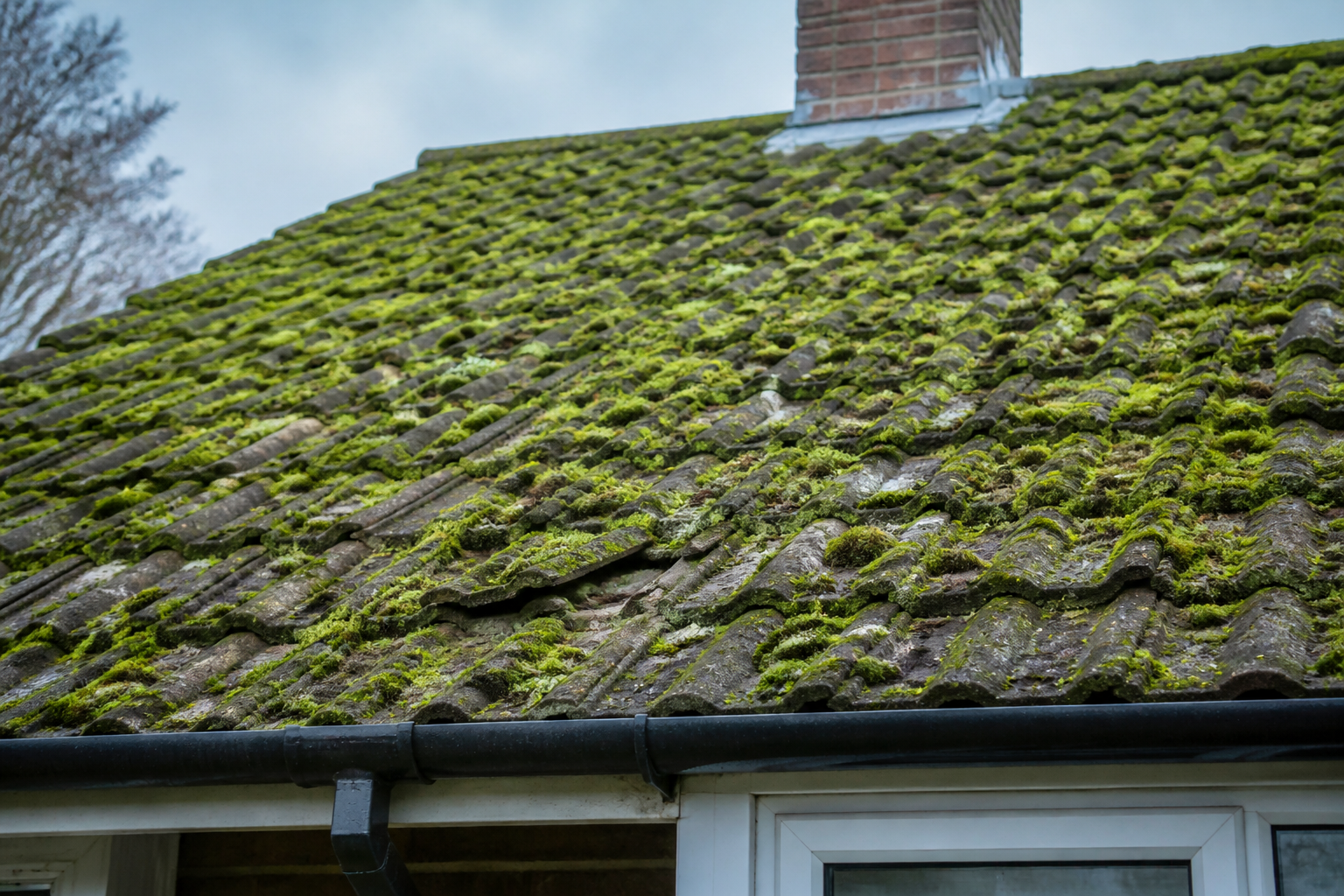
Yes, roof moss can indeed be damaging to your home, and it's much more than just an aesthetic issue. While a light dusting of moss might seem harmless, over time, it can lead to significant problems, compromising the integrity of your roof and potentially costing you more in repairs down the line. Understanding the potential harm it poses is key to protecting your property.
Key takeaways:
✅ Roof moss can hold moisture, leading to dampness, rot, and potential leaks. ✅ It can dislodge or damage roof tiles and slates, especially during freeze-thaw cycles. ✅ Moss can block gutters, causing water overflow and damage to fascias, soffits, and foundations. ✅ Heavy moss can shorten the lifespan of your roof and increase heating costs due to damp insulation. ✅ Professional removal and treatment are essential to prevent damage and ensure safety.
How Moss Accumulation Affects Your Roof
Moss thrives in damp, shaded environments, and once it takes root on your roof, it begins a slow but steady process of degradation. Its velvety structure is excellent at retaining moisture, which is the primary cause of many problems.
Moisture Retention and Water Damage
The biggest issue with moss is its ability to act like a sponge. It soaks up and holds rainwater against your roof tiles for extended periods. This constant dampness creates an ideal environment for algae and lichen growth, but more critically, it keeps your roof surface perpetually wet. Over time, this can lead to:
- Degradation of tiles: Terracotta, concrete, and even slate tiles are designed to shed water efficiently. Persistent dampness can erode their protective surface, making them more porous and brittle.
- Rot and decay: For roofs with wooden battens or felt underlays, constant moisture can lead to rot, weakening the roof structure from beneath.
- Increased risk of leaks: If water is held on the roof rather than shed, it has more time to find its way into small cracks or gaps, potentially leading to leaks into your loft space or even down into your living areas.
Physical Damage to Tiles and Slates
Moss doesn't just sit on your roof; its rhizoids (root-like structures) can slowly work their way under and between tiles and slates.
- Lifting and shifting: As moss grows, it expands, exerting pressure on individual tiles. This can lift them slightly, making them vulnerable to strong winds or further moisture ingress.
- Freeze-thaw damage: In colder months, the water held by moss can freeze. As ice expands, it can widen existing cracks in tiles, or even fracture them entirely. This freeze-thaw cycle is a significant contributor to roof damage in areas like Plymouth and South Devon.
- Dislodgement: Weakened or lifted tiles are more prone to dislodging, especially during storms, leaving sections of your roof exposed.
Blocked Gutters and Drainage Issues
The problems caused by roof moss extend beyond the roof surface itself. A common consequence of heavy moss growth is the dislodgement of moss clumps, which then wash down into your gutters.
The Chain Reaction of Clogged Gutters
Once moss, leaves, and other debris accumulate in your gutters, they cease to function correctly. This leads to a cascade of further issues:
- Overflowing gutters: Water can no longer drain away freely and will spill over the sides of the gutters. This can drench fascias and soffits, leading to rot and decay.
- Damp walls and foundations: Persistent water overflow can run down the exterior walls of your house, causing damp patches, rendering issues, and encouraging mould and mildew growth. Over time, this excess moisture around the base of your property can even compromise foundations.
- Compromised drainage systems: If your downpipes become completely blocked, water can back up, putting immense strain on the guttering system itself, potentially causing it to pull away from your house. Regular gutter cleaning is essential, especially after roof cleaning.
The Impact of Blocked Gutters
| Problem | Direct Cause | Potential Consequence |
|---|---|---|
| Damp Walls | Overflowing gutters, water running down | Internal damp, mould, damaged render |
| Rotten Fascias | Constant moisture from gutter overflow | Compromised structural integrity, pest entry points |
| Foundation Issues | Excessive water pooling at base of house | Subsidence, structural instability, costly repairs |
| Ice Dams | Blocked gutters prevent drainage in winter | Water pooling on roof, freeze-thaw damage, leaks |
Understanding the Difference: Moss, Algae, and Lichen
While often grouped together, moss, algae, and lichen are distinct organisms, each contributing to the degradation of your roof.
- Moss: Green, velvety, and relatively thick. It thrives in damp, shaded areas and has root-like structures that can penetrate between tiles.
- Algae: Often appears as dark green or black streaks (especially on lighter-coloured tiles). It's a microscopic plant that typically grows on the surface, but its presence indicates persistent moisture.
- Lichen: A symbiotic organism made up of a fungus and an alga. It looks like crusty, flat patches or sometimes leafy growths. Lichen adheres very strongly to surfaces, making it particularly difficult to remove and potentially causing more surface damage if scraped off improperly.
While algae and lichen might not have the same physical bulk as moss, they still retain moisture and contribute to the overall dampness that can damage your roof. Professional moss removal and biocide treatment target all these growths effectively.
The Long-Term Consequences
Ignoring roof moss doesn't make it go away; it only allows the damage to escalate, impacting your home's longevity and value.
- Reduced Roof Lifespan: A roof that is consistently damp, damaged by freeze-thaw cycles, and struggling under the weight of moss will not last as long as a well-maintained one. You could face the expense of a premature roof replacement.
- Increased Energy Bills: Damp insulation in your loft space, potentially caused by roof leaks or increased humidity from a wet roof, is less effective at retaining heat, leading to higher heating costs.
- Compromised Curb Appeal and Property Value: A moss-covered roof looks neglected and can significantly detract from your home's appearance, potentially impacting its market value.
- Safety Risks: Attempting DIY moss removal can be extremely dangerous. Climbing onto a mossy, slippery roof without proper safety equipment is never recommended. Professionals have the tools and training to work safely at height. We also strongly advise against standing on a conservatory roof, which is not designed to bear human weight, for cleaning purposes.
For homeowners in Plymouth, Sherford, South Devon, and East Cornwall, addressing roof moss proactively is a sensible investment in your property's future.
Common mistakes to avoid
- Ignoring the problem: Don't let moss build up, as small patches can quickly grow into a significant issue.
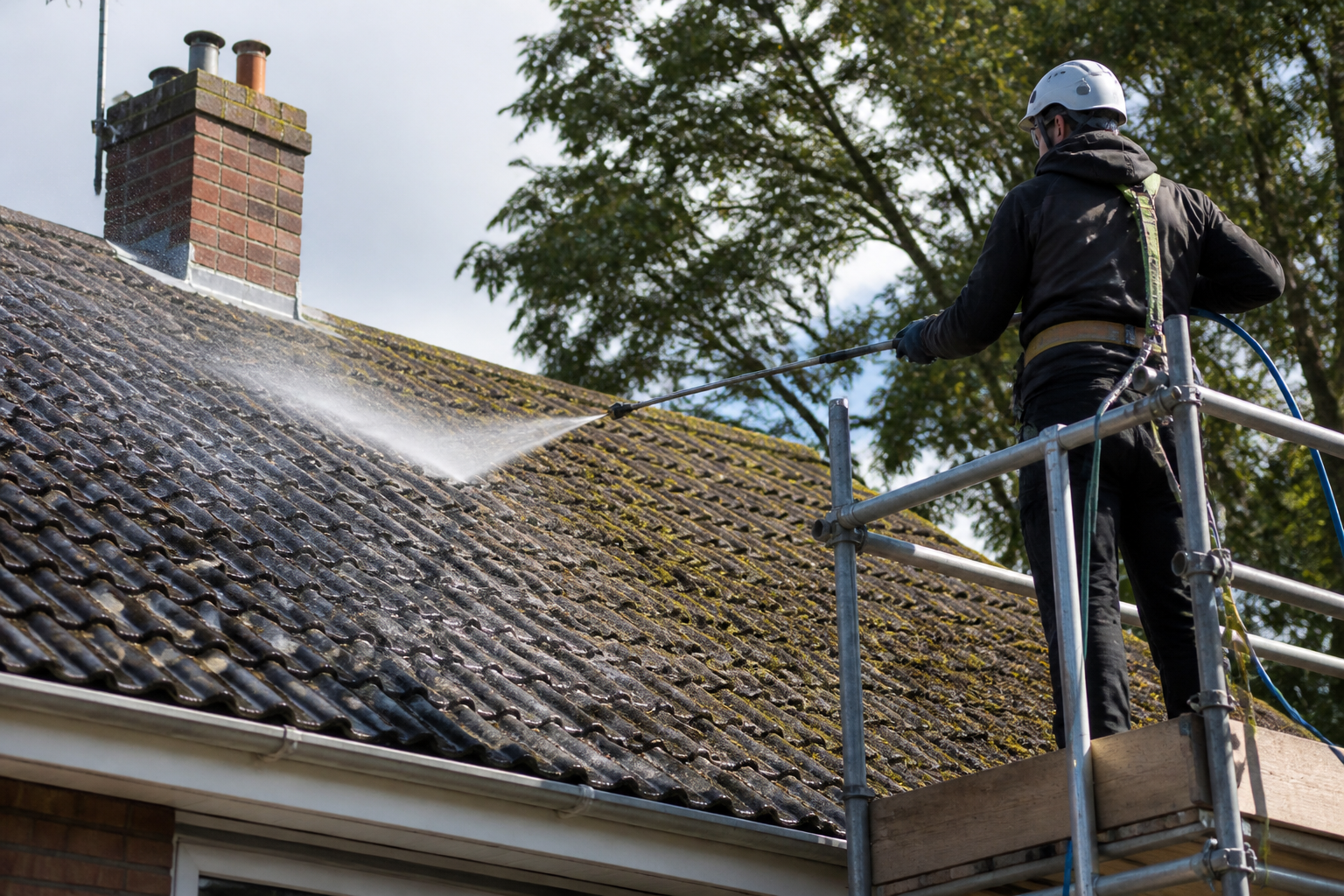
- High-pressure washing without expertise: While pressure washing can remove moss, if done incorrectly, especially with too much pressure or the wrong nozzle, it can severely damage tiles and force water into your roof structure.
- Scraping without caution: Aggressively scraping moss can scratch or break tiles and dislodge granules from protective surfaces.
- Using harsh chemicals: Some strong chemicals can discolour or damage your roof materials, or be harmful to surrounding plants and pets.
- DIY roof access: Climbing onto your roof without proper safety gear or experience is extremely dangerous and can lead to serious injury.
Frequently asked questions
Does roof moss indicate a structural problem with my roof?
Not necessarily, but it can contribute to future structural problems. Moss indicates persistent dampness, which, over time, can lead to rot in wooden elements or damage to tiles that might then allow water ingress.
How often should I have my roof cleaned for moss?
The frequency depends on various factors such as your roof's pitch, surrounding trees, local climate, and the effectiveness of previous treatments. We can advise you on expected longevity and a suitable cleaning schedule when we provide your quote.
Is it safe to remove moss myself?
No, we strongly advise against it. Working on a roof is incredibly dangerous due to heights, potential slips, and the risk of damaging your roof without proper techniques. Always use a professional for roof work.
Will roof cleaning damage my tiles?
When done correctly by experienced professionals using appropriate methods like softwashing and gentle scraping, roof cleaning should not damage your tiles. We always adjust our techniques to suit the specific type of tile.
What's the difference between moss removal and biocide treatment?
Moss removal physically removes the bulk of the moss from the roof. Biocide treatment is then applied to kill any remaining spores and prevent regrowth, offering a longer-lasting solution.
How do you clean render without high pressure?
For render, including K Rend and silicone render, we use a gentle softwashing process. This involves applying a specialist cleaning solution at low pressure, which effectively kills organic growth without damaging the delicate render surface, ensuring your render remains intact and vibrant.
Protect your biggest asset from the creeping damage of moss. Contact Southside Better Roofs today for a free, no-obligation written quote. We’ll assess your specific situation and provide expert advice on the best solution for your property. Call us on 0330 043 3884.
Related reading
Free, no-pressure quote on your conservatory roof
Based in Plymouth — covering Devon & Cornwall. 10-year insurance-backed guarantee.
Ready to Transform Your Conservatory?
Get a free, no-obligation quote for your conservatory roof replacement. We'll visit your home, assess your conservatory, and provide a detailed written quote.
No pushy sales · Same-day reply · 10-year insurance-backed guarantee
Get your free quote
Tell us a little about your conservatory and we'll come back to you within 48 hours. No pushy sales, no obligation.