cost to clad a house
How Much Does It Cost to Clad a House in 2026?
Wondering about the cost to clad a house in the South West? This guide from Southside Better Roofs explores the factors influencing external cladding project costs in 2026.
How Much Does It Cost to Clad a House in 2026?
Understanding the potential costs involved in external house cladding is a crucial first step for many homeowners looking to enhance their property's appearance and performance. While providing an exact figure without a detailed survey is impossible, this guide aims to illuminate the various factors that influence the price of cladding your home in 2026, helping you budget and plan effectively. We'll explore the elements contributing to the overall investment, from material choices to installation complexities, ensuring you have a clear picture before embarking on your project.
Key Takeaways
- ✅ The overall cost of house cladding varies significantly based on material, property size, and installation complexity.
- ✅ While we don't offer specific pricing here, composite cladding offers a balance of durability, aesthetics, and relatively low maintenance.
- ✅ Planning permission or Building Regulations approval may be required, so it's wise to check resources like the Planning Portal.
- ✅ For an accurate cost, a professional, no-obligation survey is essential to assess your specific property and project needs.
- ✅ Southside Better Roofs specialises in Durasid composite cladding installations across Plymouth, Devon, and Cornwall.
Factors Influencing House Cladding Costs
Several key elements come into play when calculating the investment required for house cladding. Understanding these will help you appreciate why a "one-size-fits-all" price is unrealistic and why a tailored quote is always necessary.
Material Choice: The Core of Your Investment
The type of cladding material you select is arguably the most significant factor determining the overall cost. Each material brings its own set of advantages and price points, impacting not just the initial outlay but also long-term maintenance.
For instance, timber cladding offers a natural aesthetic but typically requires regular treatment and upkeep to prevent rot and maintain its appearance. PVCu cladding is a popular, lower-cost option known for its ease of maintenance, though its aesthetic range might be narrower than other choices. Fibre cement is durable and fire-resistant, providing a good balance between cost and performance.
At Southside Better Roofs, we specialise in installing Durasid composite cladding. This modern solution blends wood fibres with plastic, offering the visual appeal of natural timber without the intensive maintenance. It's renowned for its resistance to rot, insects, and harsh weather, making it a robust and visually appealing choice for many homes in Plymouth, Devon, and Cornwall. While exact figures are never given without a survey, composite options often represent excellent value over the lifespan of the product due to their durability and minimal upkeep requirements compared to other materials.
| Cladding Material | Typical Characteristics | Maintenance Level | General Cost Consideration |
|---|---|---|---|
| Timber | Natural aesthetic, offers good insulation, can be stained/painted. | High | Medium to High |
| PVCu | Lightweight, wide colour range, low maintenance. | Low | Low to Medium |
| Fibre Cement | Durable, fire-resistant, available in various textures. | Low to Medium | Medium |
| Composite (Durasid) | Wood-look aesthetic, highly durable, low maintenance, doesn't rot. | Very Low | Medium to High |
| Brick Slips | Traditional brick look, thin and lightweight. | Low | High |
Size and Complexity of Your Property
The sheer area of the walls to be clad directly influences the amount of material needed and the time required for installation. A larger home will naturally incur higher material and labour costs than a smaller one.
Beyond the overall size, the architectural complexity of your property plays a significant role. Homes with intricate designs, numerous windows and doors, multiple gables, or unusual angles will require more precise cutting and fitting of cladding panels. This can extend installation time and demand a higher level of skill, contributing to the overall cost. Scaffolding requirements for multi-storey properties or those with difficult access points also factor into the total investment.
Installation and Labour Costs
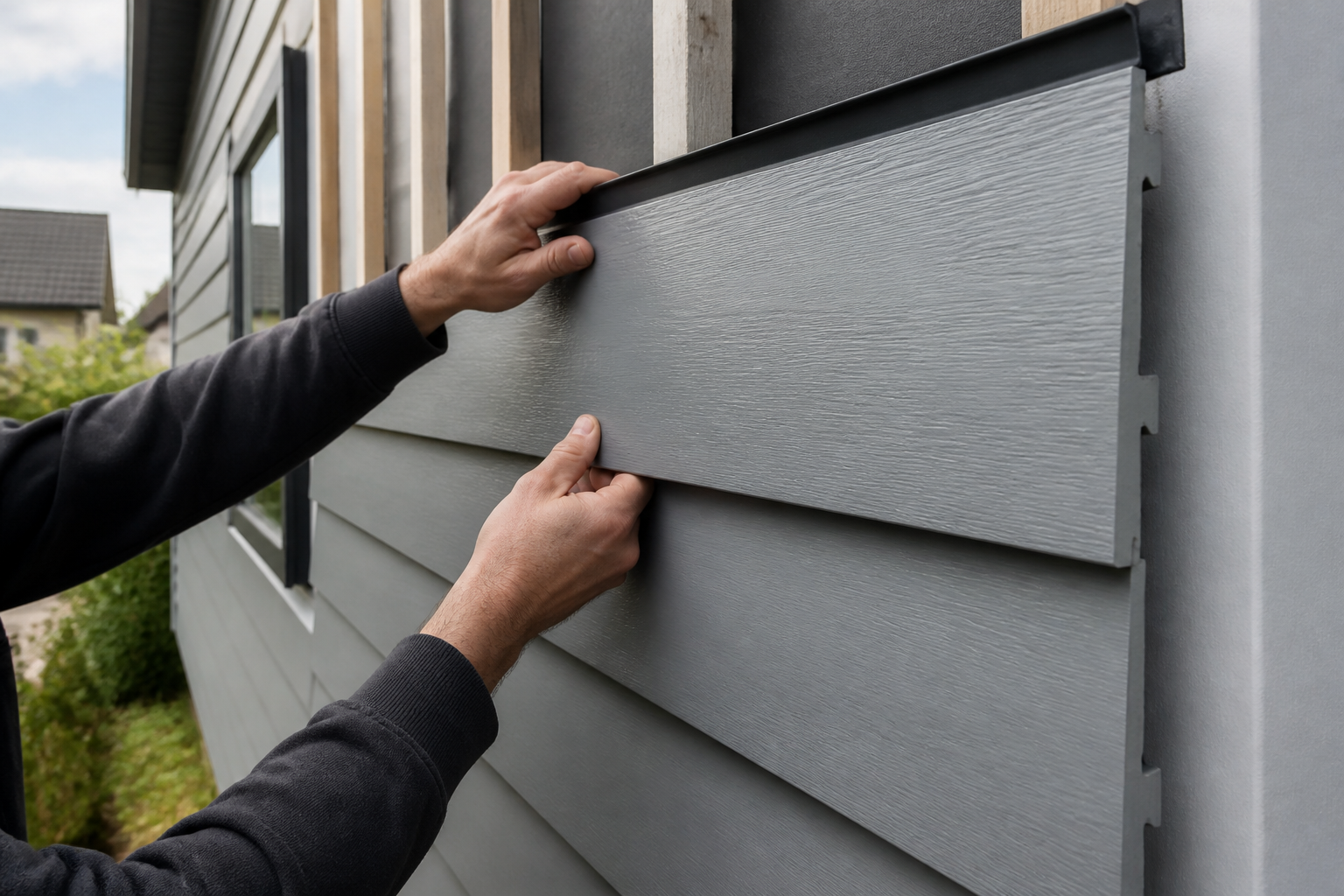
The cost of professional installation accounts for a substantial portion of the overall project budget. Skilled installers ensure that the cladding is fitted correctly, securely, and in compliance with manufacturer guidelines and relevant building standards. Factors influencing labour costs include:
- Geographic Location: Labour rates can vary across different regions.
- Installer Experience: Highly experienced and reputable installers might charge more, but their expertise often translates to a better quality finish and fewer potential issues down the line.
- Project Duration: The longer the project takes, the higher the labour costs. Complex installations inevitably take more time.
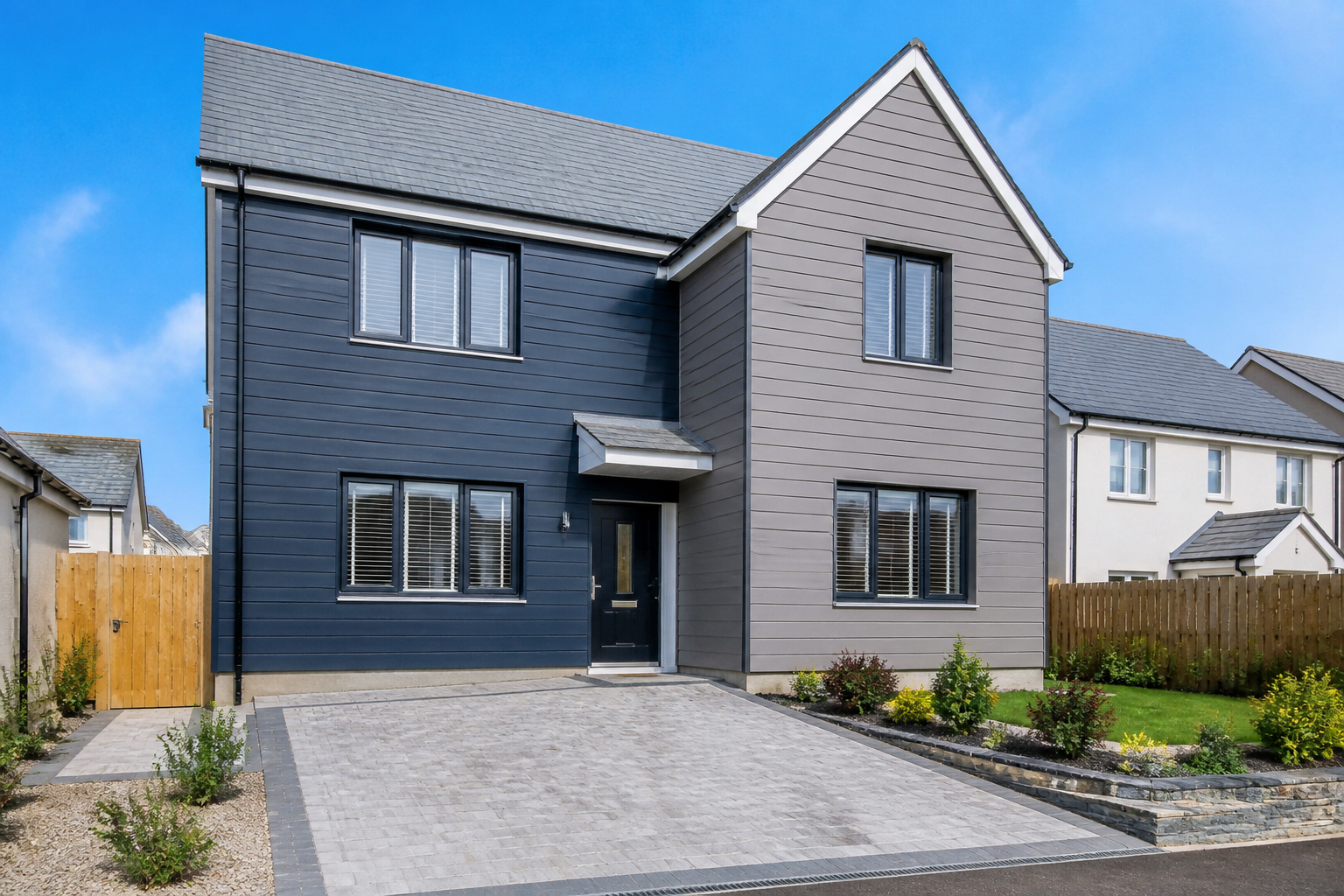
At Southside Better Roofs, our experienced team ensures a high-quality finish for every Durasid composite cladding project, from the initial survey to the final touches. We recently completed a project in Plymouth where we installed navy blue composite cladding to the front elevation and grey to the gable end, showcasing our precision and attention to detail on even multi-colour projects.
Site Preparation and Finishing Touches
Before any new cladding can be installed, the existing exterior might need preparation. This could involve cleaning, repairing damaged sections of the existing wall, or in some cases, removing old cladding. While Southside Better Roofs does not offer repairs to existing cladding or roofs, we would recommend a complete replacement or a professional survey to assess the best course of action for your property.
Additionally, finishing touches like trim, corner pieces, and ventilation profiles are essential for a complete and professional look. While these might seem minor, they add to the material cost and the time required for installation. Ensuring proper ventilation behind the cladding is crucial for the longevity of both the cladding and the underlying structure of your home, preventing moisture build-up and ensuring good air circulation.
Planning Permission and Building Regulations
Before you embark on a cladding project, it's vital to consider whether you need planning permission or if your project must comply with Building Regulations. The rules can vary depending on your property's location, its classification (e.g., in a conservation area), and the extent of the work.
Generally, external alterations that materially affect the appearance of your property may require planning permission. For Building Regulations, adding or replacing external cladding often falls under their scope, particularly concerning thermal performance and fire safety.
It's always recommended to check the official government resources for the most accurate and up-to-date information. You can find comprehensive guidance on the Planning Portal or on GOV.UK. Failing to comply with planning or building regulations could lead to enforcement action, so doing your homework beforehand is crucial.
Getting an Accurate Cost for Your Project
As this guide highlights, numerous variables mean that providing a generic price for cladding a house is simply not feasible. The most reliable way to understand the cost of cladding your specific home in Plymouth, Devon, or Cornwall is to obtain a detailed, written quote following a professional survey.
A survey allows our experts to:
- Assess the size and specific architectural features of your property.
- Determine the current condition of your exterior walls.
- Discuss your preferred materials, like Durasid composite cladding, and aesthetic choices.
- Identify any site-specific challenges or requirements.
- Advise on potential planning or building regulation considerations.
At Southside Better Roofs, we offer a free, no-obligation survey. This allows us to gather all the necessary information to provide you with a transparent and accurate written quote tailored to your project.
Common Mistakes to Avoid
- Failing to budget for professional installation: While DIY might seem cheaper, incorrect installation can lead to costly problems down the line, such as moisture ingress or cladding failure.
- Ignoring the need for a survey: Without a professional assessment, you can't get an accurate cost or identify potential issues.
- Overlooking planning and building regulations: Starting work without necessary approvals can lead to fines or the requirement to remove the cladding. Always check the Planning Portal or GOV.UK.
- Focusing solely on the cheapest material: The lowest upfront cost might not offer the best long-term value in terms of durability, maintenance, or aesthetic appeal.
- Not seeking multiple quotes or checking credentials: Ensure your chosen installer is reputable, experienced, and insured.
Frequently Asked Questions
What kind of cladding do you install?
We specialise in the installation of Durasid composite cladding. This product is known for its durability, low maintenance, and aesthetic appeal, mimicking the look of natural timber without the upkeep.
Does new cladding improve a home's energy efficiency?
While our primary focus is on the external aesthetic and protection, new external cladding can contribute to improving a home's thermal envelope, particularly if insulation is incorporated during the installation process.
How long does it take to clad a house?
The duration of a cladding project varies significantly based on the size and complexity of your home. A professional survey will allow us to provide a more accurate estimate for your specific project.
Do I need planning permission to clad my house?
It depends on your property's location and the extent of the work. It's always best to check with your local planning authority or consult the Planning Portal or GOV.UK for guidance.
Do you offer repairs to existing cladding?
No, we do not offer repairs to existing cladding. If your current cladding is damaged, we would recommend a complete replacement or a professional survey to assess the best long-term solution for your property.
How do I get a quote for cladding my house?
The best way to get a precise quote is to arrange a free, no-obligation survey with Southside Better Roofs. We will visit your property, discuss your requirements, and provide a detailed written estimate.
Ready to Explore Cladding Your Home?
Investing in external house cladding is a significant decision that can transform your property's appearance and protection for years to come. While this guide provides a comprehensive overview of the cost factors, the next essential step is a personalised assessment.
Southside Better Roofs is here to help homeowners across Plymouth, Devon, and Cornwall. We offer a free, no-pressure survey where our experts can evaluate your property, discuss the benefits of Durasid composite cladding, and provide you with a fixed written quote tailored to your exact needs. We're committed to clear communication and expert advice, ensuring you have all the information to make an informed decision. Give us a call on 07703 607365 to schedule your complimentary survey today and take the first step towards a refreshed home exterior.
Related Reading
Free, no-pressure quote on your conservatory roof
Based in Plymouth — covering Devon & Cornwall. 10-year insurance-backed guarantee.
Ready to Transform Your Conservatory?
Get a free, no-obligation quote for your conservatory roof replacement. We'll visit your home, assess your conservatory, and provide a detailed written quote.
No pushy sales · Same-day reply · 10-year insurance-backed guarantee
Get your free quote
Tell us a little about your conservatory and we'll come back to you within 48 hours. No pushy sales, no obligation.