composite vs upvc cladding
Composite Cladding vs uPVC Cladding: Which Is Right for Your Home?
Choosing external cladding for your home is a big decision. This guide explores the differences between composite and uPVC cladding, helping you decide which is best for your…
Composite Cladding vs uPVC Cladding: Which Is Right for Your Home?
Choosing the right external finish for your home can significantly impact its appearance, protection, and long-term maintenance. When considering external house cladding, two popular options often come to mind: composite cladding and uPVC cladding. This article will directly compare these two materials to help you decide which is the better fit for your property in Plymouth, Devon, or Cornwall.
Key Takeaways
- ✅ Composite cladding, like Durasid, offers superior aesthetic versatility and enhanced durability compared to traditional uPVC.
- ✅ Both materials provide a low-maintenance solution, protecting your home from the elements.
- ✅ Planning permission or building regulations might apply; always check the Planning Portal or GOV.UK.
- ✅ Professional installation is crucial for the longevity and performance of both composite and uPVC cladding.
- ✅ Always obtain a free, written quote following a detailed survey to understand costs and ensure suitability for your specific project.
Understanding External House Cladding
External house cladding serves multiple purposes: it protects the structural integrity of your home from weather elements, can improve thermal performance, and, crucially, enhances its curb appeal. From a practical standpoint, installing new external wall cladding can be a transformative upgrade. In areas like Plymouth, Devon, and Cornwall, where coastal weather can be a factor, durable and attractive cladding is a wise investment.
Before diving into the specifics, it's worth noting that the installation of external wall cladding can sometimes be subject to planning permission or building regulations, especially if your property is in a conservation area or if the works significantly alter the external appearance. Always refer to the official Planning Portal or GOV.UK for the most up-to-date guidance relevant to your location and project.
What is uPVC Cladding?
uPVC cladding, or unplasticised polyvinyl chloride, has been a staple in the construction industry for many years. It's a popular choice due to its relatively low cost and minimal maintenance requirements. Manufactured as rigid plastic boards, uPVC cladding is often used to cover exterior walls, fascias, and soffits, providing a neat and clean finish.
Advantages of uPVC Cladding
- Cost-Effective: Generally, uPVC cladding tends to have a lower upfront cost compared to many other cladding materials.
- Low Maintenance: It doesn't require painting, staining, or sealing, and can typically be cleaned with just soap and water.
- Weather Resistance: uPVC is resistant to rot, rust, and pests, offering good protection against the elements.
- Ease of Installation: Its lightweight nature can make it quicker and simpler to install for experienced professionals.
Disadvantages of uPVC Cladding
- Aesthetic Limitations: While available in various colours, uPVC often has a more uniform, plastic-like appearance that some homeowners find less appealing than natural or composite alternatives. Over time, colours can fade, especially in direct sunlight.
- Durability Concerns: While resistant to many issues, uPVC can become brittle with age or extreme temperature fluctuations, potentially leading to cracking or warping. It's also more susceptible to impact damage than more robust materials.
- Environmental Considerations: The production and disposal of uPVC raise some environmental concerns, although recycling efforts are improving.
What is Composite Cladding?
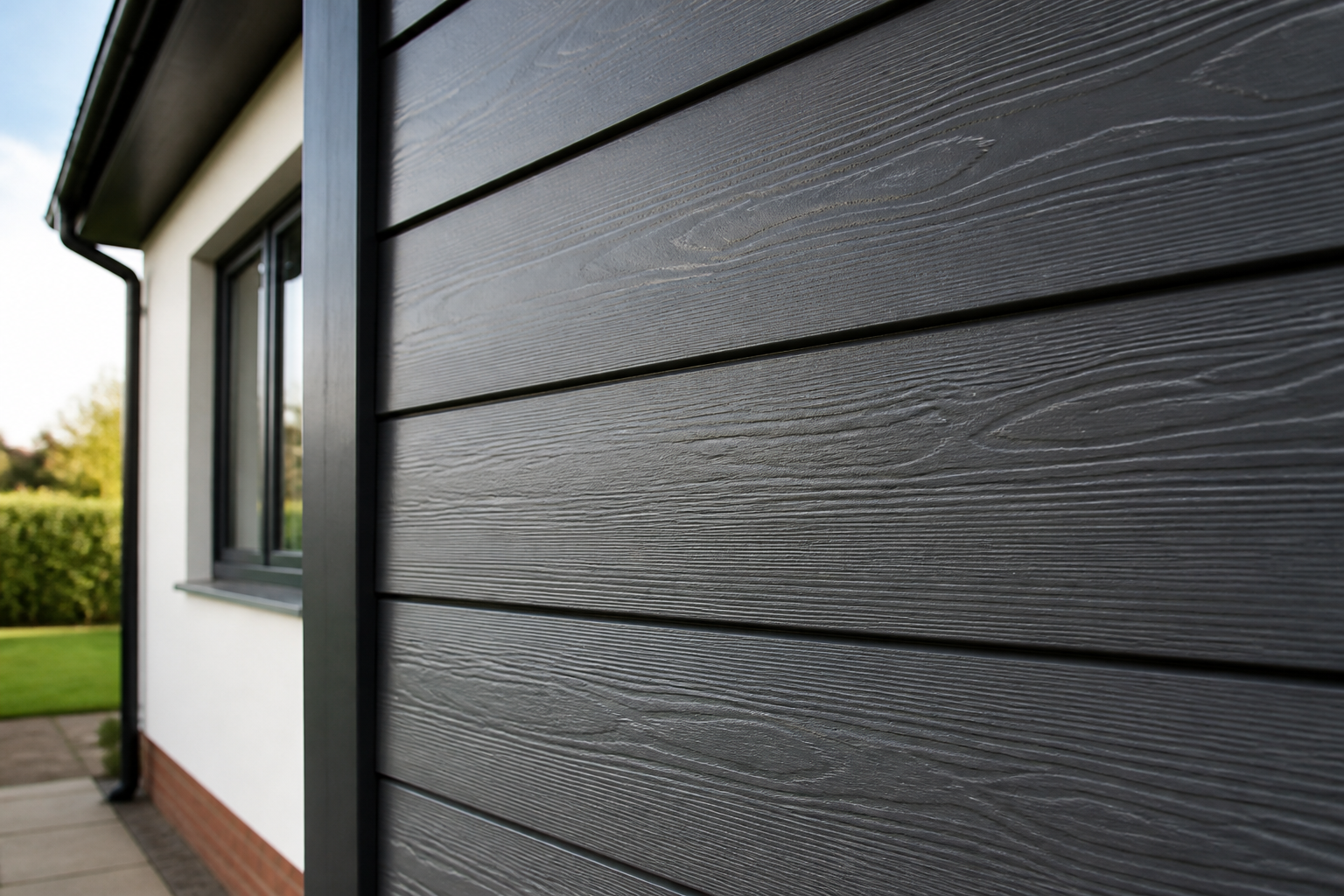
Composite cladding is an advanced material typically made from a blend of recycled plastics and wood fibres. This combination aims to harness the best properties of both materials: the durability and low maintenance of plastic with the natural look and feel of wood. Our preferred product at Southside Better Roofs is Durasid composite cladding, renowned for its quality and finish.
Advantages of Composite Cladding (e.g., Durasid)
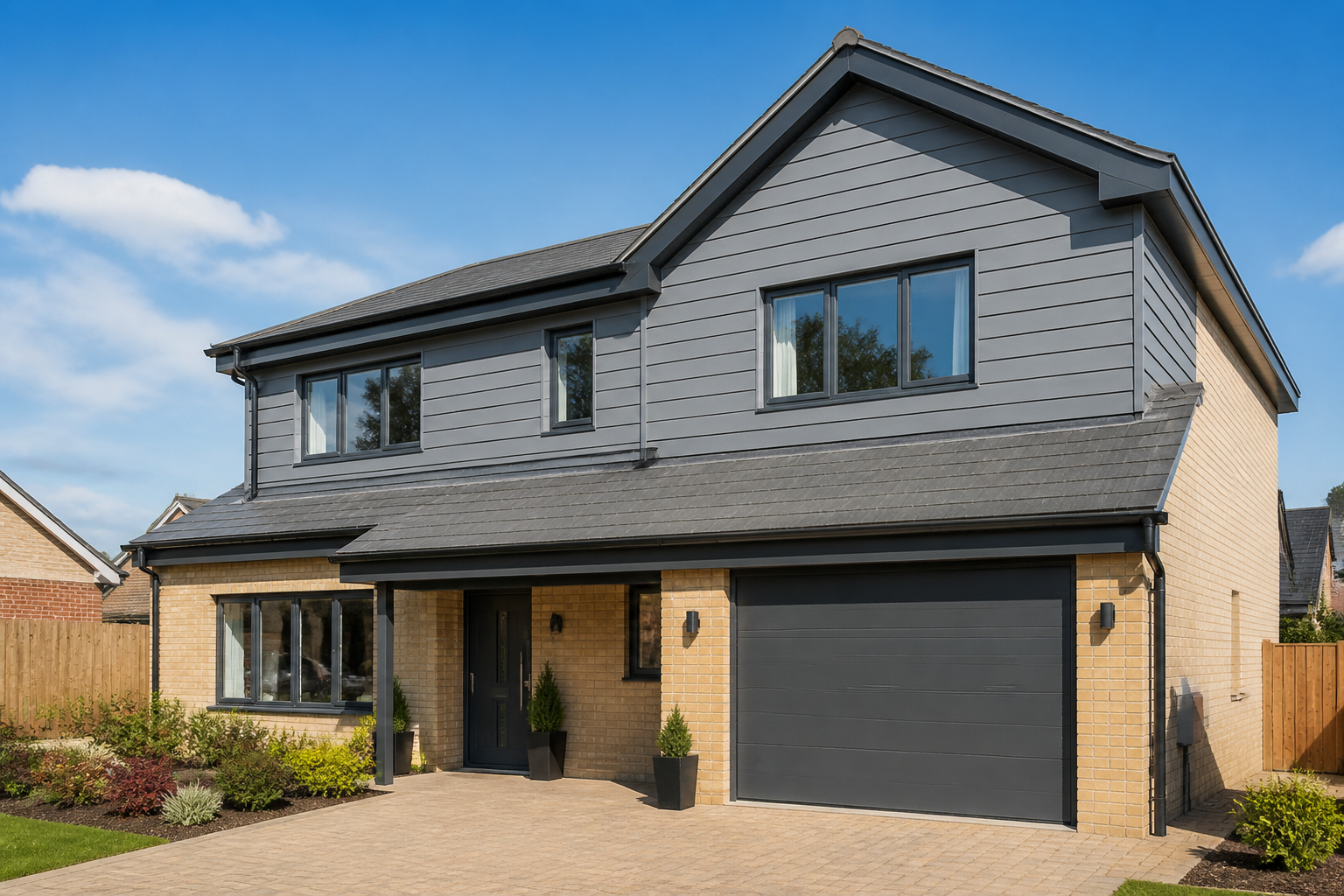
- Superior Aesthetics: Composite cladding offers a much richer, more natural appearance, often mimicking the texture and grain of timber. It comes in a broader range of sophisticated colours and finishes, providing greater design flexibility. For example, we recently installed navy blue composite cladding to the front elevation and grey to the gable end of a home in Plymouth, demonstrating the versatility of colour choice.
- Enhanced Durability: The blend of materials makes composite cladding exceptionally robust. It's highly resistant to impacts, scratches, fading, and weathering, often outperforming uPVC in challenging conditions.
- Colour Stability: High-quality composite cladding maintains its colour integrity much better over time, resisting UV degradation and fading.
- Low Maintenance: Like uPVC, composite cladding requires very little upkeep beyond occasional cleaning, freeing up your time from constant exterior chores.
- Environmental Friendliness: Many composite products, including Durasid, incorporate recycled materials, making them a more environmentally conscious choice.
Disadvantages of Composite Cladding
- Higher Upfront Cost: Generally, composite cladding has a higher material cost than uPVC. However, its enhanced durability and aesthetic appeal often represent better long-term value.
- Installation Complexity: While still straightforward for professionals, composite cladding can sometimes require specific cutting tools and installation techniques due to its density and composition.
Composite Cladding vs uPVC Cladding: A Direct Comparison
To help you visualise the differences, here's a direct comparison of key attributes:
| Feature | Composite Cladding (e.g., Durasid) | uPVC Cladding |
|---|---|---|
| Aesthetics | Natural wood grain appearance, wide range of stable colours | Smooth, plastic appearance, more limited colour options, prone to fading |
| Durability | High impact resistance, excellent weather and scratch resistance | Moderate impact resistance, can become brittle over time |
| Maintenance | Very low (occasional cleaning) | Very low (occasional cleaning) |
| Colour Fade | Highly resistant to UV fading | Can fade or discolour over time with sun exposure |
| Material Blend | Wood fibres and recycled plastics | Unplasticised polyvinyl chloride |
| Longevity | Designed for exceptional long-term performance | Good, but can show signs of age and brittleness sooner |
Performance Factors to Consider
When evaluating either composite or uPVC cladding, think about the specific needs of your home and local environment.
Thermal Performance
Both types of cladding can contribute to the thermal efficiency of your home by adding an extra layer of insulation when installed with appropriate battens and insulation boards. While neither cladding material acts as a primary insulator on its own, they prevent direct heat transfer and protect underlying insulation from moisture.
Weather Resistance
Both composite and uPVC cladding are excellent at protecting your home from rain, wind, and general weathering. Composite cladding generally offers superior resistance to impact and extreme temperature variations, making it a more robust choice for exposed locations in Devon and Cornwall.
Maintenance and Longevity
The primary appeal of both materials is their low maintenance. Gone are the days of constant painting and repair. However, the superior resistance of composite cladding to fading and structural degradation means it tends to maintain its 'as new' appearance and structural integrity for a longer period compared to uPVC.
Common Mistakes to Avoid
- Ignoring Planning Permission/Building Regulations: Always check if your project requires approval from your local council. This is critical for any external alteration.
- Focusing Solely on Upfront Cost: Consider the long-term value. While uPVC might seem cheaper initially, composite cladding’s durability and aesthetic retention can mean better value over the lifespan of the product.
- Attempting DIY Installation: Cladding installation is a specialist job. Incorrect fitting can lead to moisture ingress, poor performance, and voided warranties. Always use experienced professionals.
- Choosing the Wrong Colour or Style: Think about your home's architecture. Consider how the cladding will complement existing features and the surrounding area. For ideas, browse through our recent projects.
- Neglecting the Survey: Never commit without a detailed survey. A professional survey identifies potential issues, measures accurately, and ensures the proposed solution is ideal for your specific property.
Frequently Asked Questions
What is the best way to clean my external cladding?
Both composite and uPVC cladding are low maintenance. Typically, a soft brush or cloth with warm soapy water is sufficient to remove dirt and grime. Avoid harsh chemicals or high-pressure washers, which could damage the surface.
Can cladding improve my home's insulation?
Yes, when installed correctly with an air gap and potentially additional insulation boards behind the cladding, it can significantly improve your home's thermal efficiency by adding an extra protective layer against heat loss.
Do I need planning permission for cladding?
It depends on your property and location. While minor alterations often don't require it, significant changes to external appearance, particularly in conservation areas or on listed buildings, usually do. Always consult the Planning Portal or your local authority.
How long does cladding installation take?
The duration of the installation process varies greatly depending on the size and complexity of your home and the chosen cladding system. A professional surveyor can provide a more accurate timeline during your free consultation.
What happens if my cladding is damaged?
If your cladding is damaged, we do not offer repair services for existing installations. We recommend a full survey to assess the extent of the damage and discuss potential replacement options.
Make the Right Choice for Your Home
Ultimately, the choice between composite cladding and uPVC cladding depends on your priorities regarding aesthetics, budget, and long-term performance. While uPVC offers a cost-effective, low-maintenance solution, composite cladding, like Durasid, provides a superior aesthetic, enhanced durability, and greater resistance to fading, making it an excellent investment for homeowners in Plymouth, Devon, and Cornwall looking for a premium finish.
Southside Better Roofs is proud to install Durasid composite cladding, offering homeowners a high-quality, beautiful, and long-lasting external finish. To understand the specific costs and benefits for your property, we offer a free, no-pressure survey where one of our experts will assess your needs and provide a detailed, written quote. Get in touch today on 0330 043 3884 to arrange your free survey.
Related Reading
Free, no-pressure quote on your conservatory roof
Based in Plymouth — covering Devon & Cornwall. 10-year insurance-backed guarantee.
Ready to Transform Your Conservatory?
Get a free, no-obligation quote for your conservatory roof replacement. We'll visit your home, assess your conservatory, and provide a detailed written quote.
No pushy sales · Same-day reply · 10-year insurance-backed guarantee
Get your free quote
Tell us a little about your conservatory and we'll come back to you within 48 hours. No pushy sales, no obligation.