polycarbonate roof leaking joints
Polycarbonate Roof Leaking at the Joints: Quick & Permanent Fixes
Leaking polycarbonate conservatory roofs, especially at the joints, can be a real headache. Learn why this happens and discover the best way to fix it permanently.
Polycarbonate Roof Leaking at the Joints: Quick & Permanent Fixes
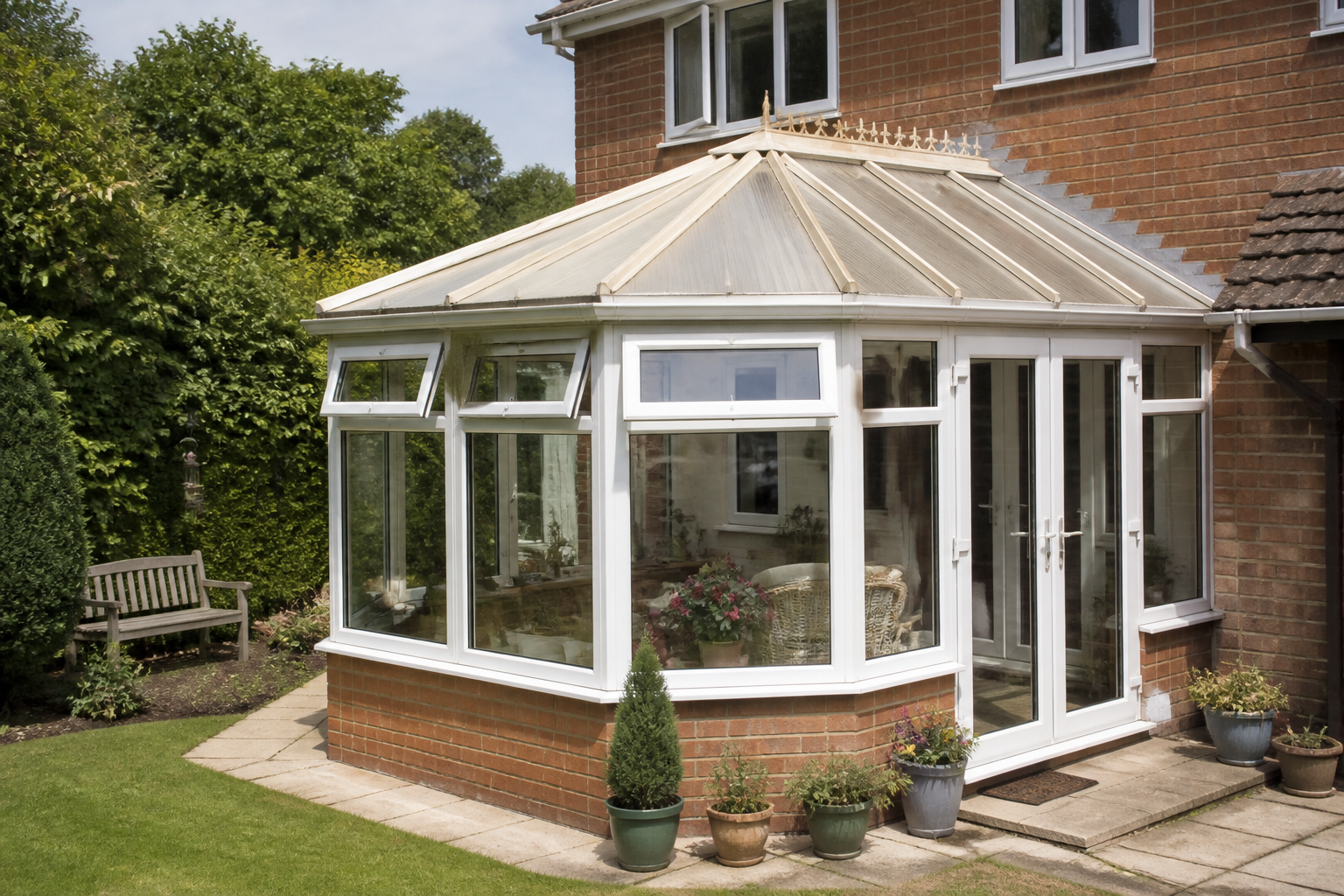
Is your conservatory's polycarbonate roof leaking at the joints? It's a common issue that can lead to frustrating drips and dampness, often signalling that your conservatory's roof is past its best. This article will guide you through understanding why these leaks occur and, crucially, how to tackle them – from temporary fixes to the best long-term solution.
Key Takeaways
✅ Polycarbonate roof leaks at joints are often due to material degradation, sealant failure, or improper installation. ✅ While temporary patches can offer short-term relief, they rarely provide a lasting solution. ✅ A permanent fix typically involves a complete conservatory roof replacement with a modern, insulated system. ✅ Upgrading to an insulated tiled conservatory roof eliminates polycarbonate leak issues and significantly improves comfort. ✅ Southside Better Roofs specialises in fitting the SupaLite™ insulated warm-roof system for a reliable, leak-free future.
Why Do Polycarbonate Roof Joints Start Leaking?
Polycarbonate roofs are a popular choice for conservatories due to their affordability and light-transmitting properties. However, over time, they are susceptible to a range of issues, with leaks at the joints being one of the most frequent complaints. Understanding the root causes can help you decide on the best course of action.
One of the primary culprits is material degradation. Polycarbonate, while durable, is not immune to the elements. Constant exposure to UV radiation from the sun, extreme temperature fluctuations, and harsh weather conditions can cause the material to become brittle, crack, and warp. This movement and deterioration can compromise the integrity of the seals and joints, allowing water to penetrate.
Another major factor is the failure of the original sealant. Over time, the sealant used to bond the polycarbonate panels and secure the capping strips can dry out, crack, or lose its adhesive properties. This creates tiny gaps and channels for water to exploit, often exacerbated by wind-driven rain. Additionally, poor initial installation, where joints weren't properly seated or sealed, can lead to premature leaking issues.
Identifying the Source of the Leak
Before you can fix a leak, you need to find it. This might sound obvious, but water can travel, and a drip inside might originate some distance away. Start by observing the leak during rainfall. Does it drip consistently from one spot, or does it appear along a seam? Look for obvious signs of damage such as cracks in the polycarbonate sheets, lifted or missing capping strips, or visible deterioration of sealant around the joints and glazing bars.
It's helpful to go outside on a dry day and visually inspect the entire roof structure. Pay close attention to the ridges, eaves, and where the conservatory roof meets the house wall. Small cracks or gaps might not be obvious from below. You might need to gently spray water with a hose on specific areas to pinpoint the entry point, working from bottom to top to avoid confusion. Always prioritise safety when working at height.
Temporary Solutions for Leaking Polycarbonate Joints
While not permanent, a temporary repair can buy you some time and prevent further water ingress while you consider a more lasting solution. The key here is quick action to mitigate immediate damage.
- Silicone Sealant: For small, localised cracks or gaps in existing sealant, a high-quality, weather-resistant outdoor silicone sealant can be applied. Ensure the area is clean and dry before application. This is best for minor issues and will likely need reapplication.
- Weatherproof Tapes: Specialised waterproof tapes, such as flashing tape or self-adhesive bitumen tape, can be used to cover larger cracks or areas where capping strips have lifted. These tapes adhere well to polycarbonate and can offer a decent temporary seal. Again, surface preparation is crucial for good adhesion.
- Replacement Capping Strips: If only a small section of a capping strip is damaged or missing, you might be able to replace just that part. However, this often requires careful removal of the old strip and re-sealing, which can be fiddly and may not solve underlying issues if the polycarbonate itself is degrading.
While these quick fixes can stop the immediate drip, they rarely address the underlying cause of the leak. They are a patch, not a repair, and you'll likely find yourself dealing with the same problem again in the not-too-distant future.
Why a Conservatory Roof Replacement is the Permanent Fix
If you're tired of recurring leaks, draughts, and a conservatory that's too hot in summer and too cold in winter, a full conservatory roof replacement is the ultimate and most permanent solution. Rather than patching an old, failing polycarbonate roof, you're investing in a brand-new, high-performance system designed for comfort, durability, and energy efficiency.
A replacement means removing the old polycarbonate completely and installing a modern, insulated structure. This eliminates all the weak points of the old roof – the degrading polycarbonate, failing seals, and flimsy capping strips – replacing them with a robust, weather-tight system that will not leak.
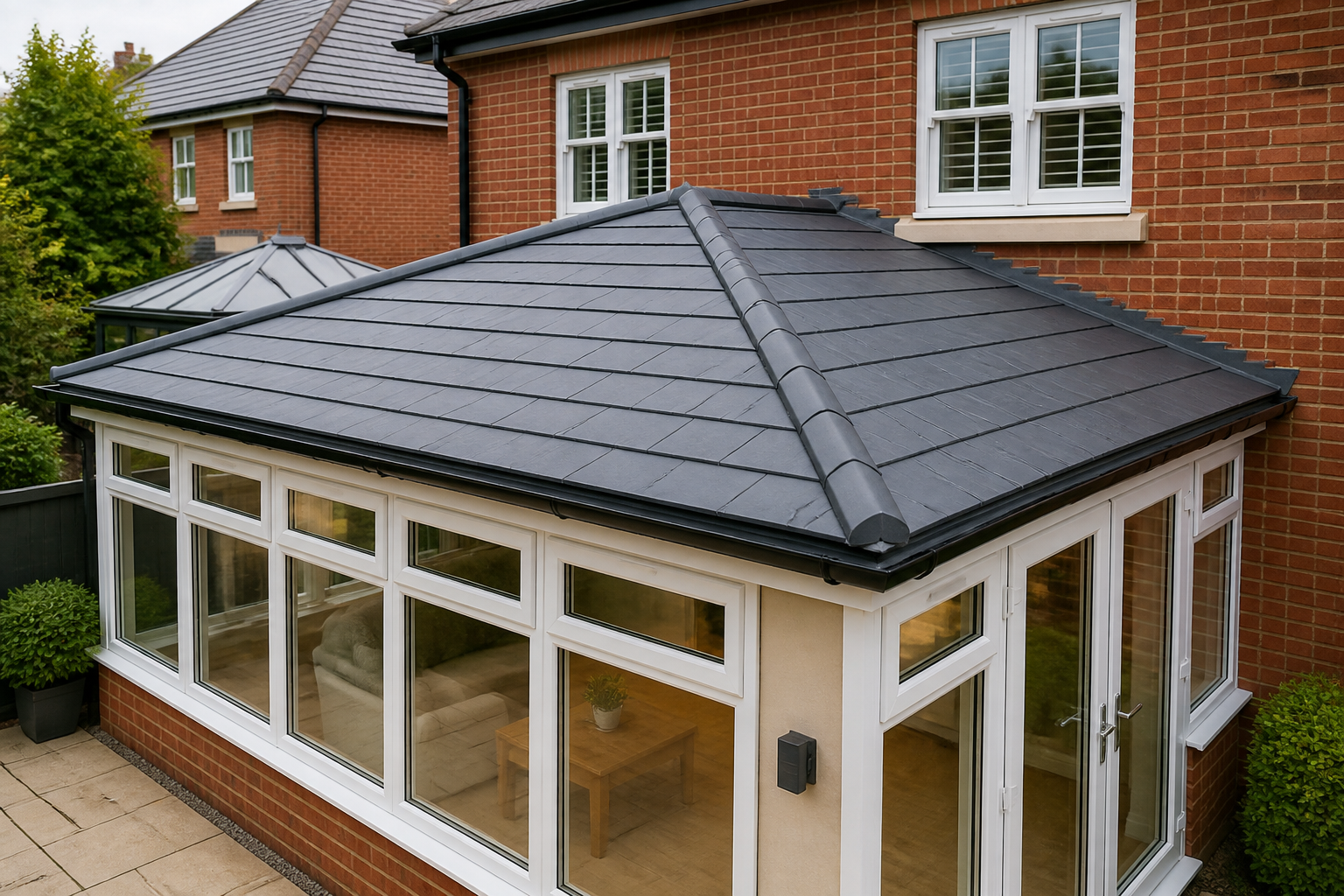
At Southside Better Roofs, we exclusively fit the SupaLite™ insulated warm-roof system. This system transforms your conservatory into a genuine extension of your home, addressing all the common problems associated with older conservatory roofs. It's built to last, providing excellent insulation and a solid, attractive finish.
SupaLite™ Warm Roof vs. Polycarbonate: A Comparison
| Feature | Old Polycarbonate Roof | SupaLite™ Insulated Warm Roof |
|---|---|---|
| Leak Risk | High, especially at joints due to degradation | Virtually none; fully sealed and weather-tight |
| Insulation | Poor; leads to temperature extremes | Excellent; comfortable all year round |
| Noise Control | Poor; rain noise can be very loud | Excellent; significantly reduces rain and external noise |
| Longevity | Typically 10-15 years before major issues | 40-year tile guarantee; designed for decades of performance |
| Aesthetics | Can look dated, yellowing over time | Modern, attractive tiled finish (interior plasterboard) |
| Maintenance | Requires regular cleaning, prone to moss/algae | Minimal; highly durable and resistant to growth |
Benefits Beyond Leak Prevention
Upgrading to an insulated tiled conservatory roofs brings a host of benefits that go far beyond simply stopping leaks. You'll find your conservatory transforms into a usable, comfortable space every day of the year. The superior insulation means significantly reduced heating bills in winter and a cooler environment in summer, effectively extending your living area.
The solid roof also dramatically cuts down on external noise, making your conservatory a peaceful retreat, even during heavy rain. Furthermore, the enhanced privacy and improved aesthetics, both inside and out, can add significant value to your home. This is an investment not just in a leak-free roof, but in a better living space. For more on lead times, you might find our article on warm roof conservatory installation time useful.
Regulations and Planning Permission
When considering a full warm roof conservatory replacement, it's important to be aware of building regulations. While many conservatories are exempt from Building Regulations, changing a roof structure can sometimes alter this status. For instance, if you are making changes that significantly affect the thermal performance or structural integrity, Building Regulations approval may be required.
Generally, replacing an existing transparent or translucent conservatory roof with a lightweight solid roof, such as the SupaLite™ system, often falls within permitted development rights, meaning planning permission is not needed, provided certain conditions are met (e.g., the conservatory remains separate from the main house regarding heating). However, it's always best practice to check with your local authority or a reputable installer. For authoritative guidance, refer to sources like GOV.UK planning guidance or the Planning Portal. Our expert team can provide guidance on this for projects in areas like conservatory roofs in Plymouth.
Common mistakes to avoid
- Ignoring the problem: Small leaks can quickly become bigger issues, leading to timber rot, damp, and mould. Addressing it early saves hassle and potential damage.
- Using unsuitable sealants: Not all sealants are created equal. Using an indoor or non-weatherproof product will offer a very short-term fix, if any, for outdoor leaks.
- Attempting repairs without proper safety gear: Working at height is dangerous. Always use appropriate ladders, harnesses, and have someone spot you. If in doubt, call a professional.
- Opting for repeated temporary fixes: While appealing in the short term, constantly patching a failing roof is a false economy. The problem will recur, and the cost of repeated temporary repairs often adds up to more than a permanent solution.
- Not checking guarantees: When considering a replacement, ensure you understand the guarantee provided. Our SupaLite™ systems come with a 10-year insurance-backed guarantee and a 40-year tile guarantee for complete peace of mind.
Frequently asked questions
Q: How long does a polycarbonate conservatory roof typically last before leaking?
A: Polycarbonate roofs generally have a lifespan of 10-15 years, but environmental factors like UV exposure and temperature fluctuations can cause degradation and leaks at joints much sooner.
Q: Can I fix a polycarbonate roof leak myself?
A: Small, localised leaks can sometimes be temporarily patched with appropriate sealants or tapes. However, these are rarely permanent solutions, and safety at height is a major concern.
Q: Will a new polycarbonate roof fix the leaking joint problem permanently?
A: Replacing an old polycarbonate roof with new polycarbonate will likely see the same issues re-emerge over time, as the material inherently degrades. A full insulated warm roof replacement is a permanent solution.
Q: Do I need planning permission for a conservatory roof replacement?
A: In most cases, replacing an existing conservatory roof with a solid, insulated warm roof does not require planning permission, as it usually falls under permitted development rights. However, it's always best to consult your local authority or your installer for specific guidance.
Q: How much does it cost to replace a leaking polycarbonate roof?
A: Prices for a SupaLite™ insulated warm-roof replacement start from £6,000, depending on the size and complexity of your conservatory.
Q: How long does it take to replace a conservatory roof?
A: Our lead time is typically 4-6 weeks, sometimes as quickly as 2 weeks, meaning your new, leak-free roof will be installed efficiently.
If you’re tired of living with a leaking, uncomfortable conservatory, it might be time to consider a lasting solution. Speak to our friendly, expert team at Southside Better Roofs about transforming your space with a SupaLite™ insulated warm roof system. We offer free, no-pressure surveys to discuss your needs and provide a tailored quote. Give us a call today on 0330 043 3884. We do not offer roof repairs, focusing instead on providing permanent, high-quality replacement solutions.
Related reading
Free, no-pressure quote on your conservatory roof
Based in Plymouth — covering Devon & Cornwall. 10-year insurance-backed guarantee.
Ready to Transform Your Conservatory?
Get a free, no-obligation quote for your conservatory roof replacement. We'll visit your home, assess your conservatory, and provide a detailed written quote.
No pushy sales · Same-day reply · 10-year insurance-backed guarantee
Get your free quote
Tell us a little about your conservatory and we'll come back to you within 48 hours. No pushy sales, no obligation.