building regulations conservatory roof
Do You Need Building Regs to Convert a Conservatory Roof? (2026)
Thinking about a new conservatory roof? We explain what you need to know about building regulations for tiled conservatory roofs.
Do You Need Building Regulations for Conservatory Roof Conversion? (2026)
Thinking about upgrading your conservatory roof to a solid, insulated one? It’s a popular improvement that can transform your conservatory into a year-round living space. But before you dive in, understanding the requirements for building regulations is crucial here in the UK.
Key Takeaways
✅ Most conservatory roof replacements will require building regulations approval in 2026. ✅ Converting from a transparent or translucent roof to a solid, insulated one changes the structure’s thermal performance and weight. ✅ Failing to obtain proper approval can lead to significant problems when selling your home. ✅ Southside Better Roofs only fits the SupaLite™ insulated warm-roof system, which is fully compliant. ✅ Always use an experienced installer who can guide you through the process.
Understanding Building Regulations for Conservatories
Building regulations are a set of standards designed to ensure the health, safety, welfare, and convenience of people in and around buildings. They also promote energy efficiency and sustainable development. When it comes to conservatories, they have traditionally been exempt from most building regulations, provided they meet certain criteria – usually being separated from the main house by an external-quality door, having an independent heating system, and being less than 30 square metres in internal floor area.
However, this exemption typically applies to conservatories with transparent or translucent roofs (like glass or polycarbonate). Replacing one of these roofs with a solid, insulated system like the SupaLite™ warm-roof changes the fundamental nature of the structure. It moves from being a "temporary" or "lightweight" addition to something much more akin to a permanent extension of your home. This change in character usually brings it within the scope of building regulations.
Why a Solid Roof Triggers Building Regs
The primary reasons a solid conservatory roof replacement will require building regulations approval are:
- Thermal Performance: A solid, insulated roof significantly alters the thermal performance of the conservatory. Building regulations aim to ensure all new thermal elements of a building meet minimum insulation standards to improve energy efficiency. The SupaLite™ system, for example, is designed to meet and often exceed these standards, helping to create a truly warm roof conservatory.
- Structural Integrity: A solid roof is considerably heavier than a glass or polycarbonate roof. This added weight can put extra stress on the existing conservatory frames and foundations. Building regulations ensure that the existing structure can safely support the new load, preventing structural failure. Your installer should conduct a thorough structural assessment.
- Permanent Living Space: By adding a highly insulated solid roof, you are effectively turning the conservatory into a habitable room, blurring the lines between a conservatory and a full extension. This reclassification means it should meet the same safety and performance standards as any other room in your house.
What's Involved in the Building Regulations Process?
Navigating building regulations might seem daunting, but a reputable installer, like Southside Better Roofs, will handle most of the paperwork and liaise with your local authority on your behalf.
Applying for Approval
Generally, there are two main routes for building regulations approval:
- Full Plans Application: This involves submitting detailed plans and specifications of the proposed work to your local authority building control body before work starts. They will then check the plans for compliance.
- Building Notice: For simpler projects, you can give a "building notice" to your local authority. This doesn't require detailed plans upfront, but the work will be inspected as it progresses to ensure compliance. Most reputable companies undertaking conservatory roof conversions will likely use a full plans application or a dedicated competent person scheme.
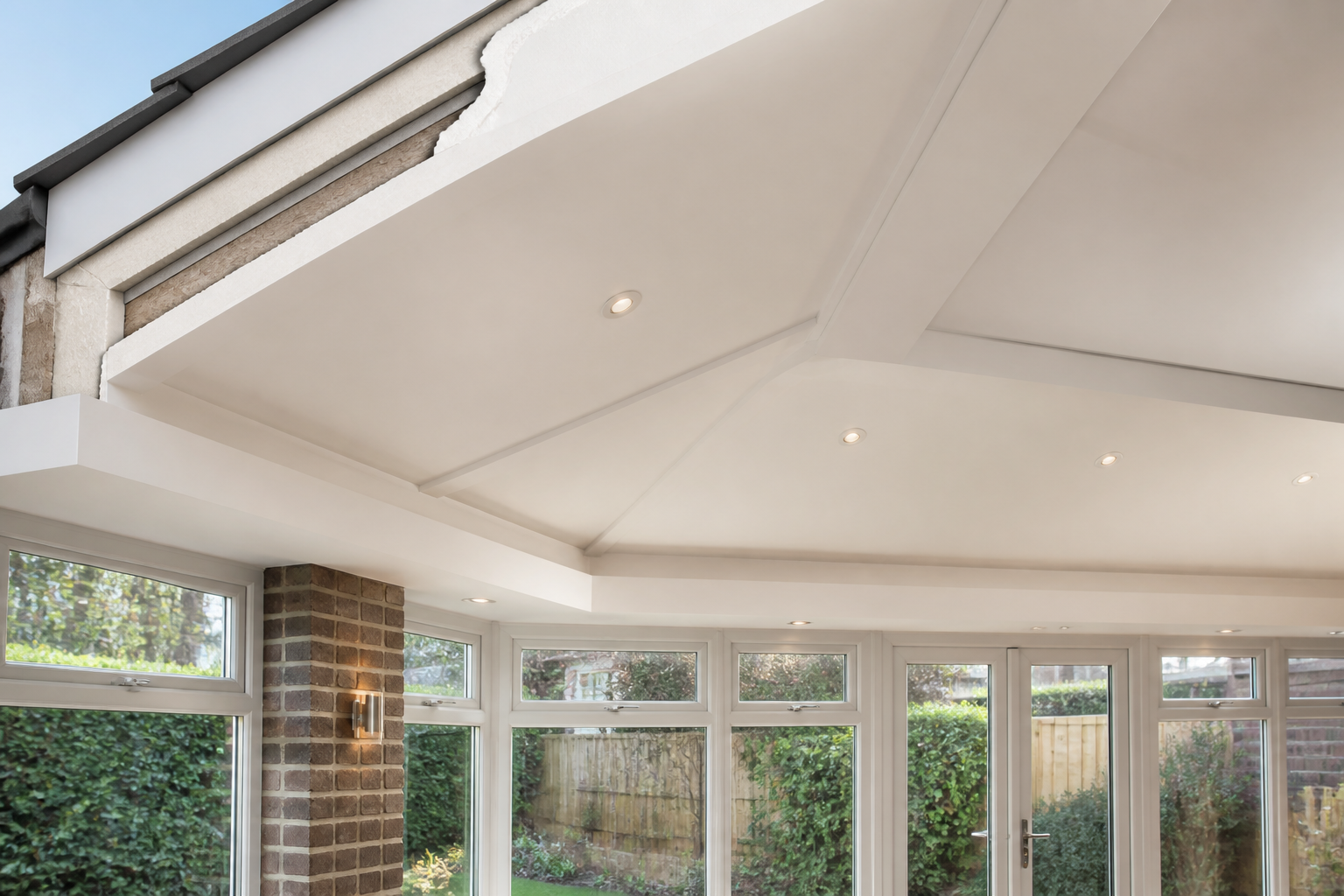
For a conservatory roof replacement using a system like SupaLite™, your installer will typically manage the application process, ensuring all technical requirements are met. This includes providing evidence of the system's thermal performance and structural suitability.
The Role of Competent Person Schemes
Some conservatory roof systems are certified under specific Competent Person Schemes. These schemes allow approved installers to self-certify that their work complies with building regulations, avoiding the need for a separate building control application. However, it's vital to confirm if the specific system and installer are part of such a scheme for roof conversions, as not all schemes cover every aspect. The SupaLite™ system usually comes with its own robust approval process that installers follow.
Comparing Old and New Roofs: A Compliance Snapshot
Here's a simplified look at how different conservatory roof types often compare regarding building regulations.
| Feature | Traditional Glass/Polycarbonate Roof | SupaLite™ Insulated Warm Roof System |
|---|---|---|
| Typical Requirement | Often Exempt (with conditions) | Generally Requires Approval |
| Thermal Performance | Poor (high heat loss/gain) | Excellent (low U-value) |
| Structural Impact | Minimal (lightweight) | Significant (added weight) |
| Energy Efficiency | Low | High (contributes to SAP ratings) |
| Habitable Space | Less so (temperature fluctuations) | Fully habitable all year round |
The Risks of Ignoring Building Regulations
Bypassing building regulations might seem like a way to save time or money, but the long-term consequences can be far more costly and stressful.
- Enforcement Action: Your local authority building control has the power to demand that non-compliant work is altered or even demolished. This can incur significant costs and disruption.
- Difficulty Selling Your Home: When you come to sell your property, solicitors will ask for evidence of building regulations approval for any major alterations. Without it, you could face delays, reduced offers, or even a collapsed sale. You may also need to purchase indemnity insurance, which doesn't resolve the underlying issue but protects against enforcement.
- Safety Concerns: More importantly, unapproved work might be unsafe. A roof that isn't properly supported or installed to current standards could fail, posing a risk to those inside. This is particularly crucial for lightweight conservatory roof tiles, where incorrect installation can compromise structural integrity.
- Insurance Issues: Your home insurance policy might be invalidated if you've made significant alterations without the necessary approvals.
Southside Better Roofs, serving Plymouth, Devon, and Cornwall, ensures all SupaLite™ installations comply with current building regulations, giving you complete peace of mind. Our expertise means you won't have to worry about these potential pitfalls.
Common mistakes to avoid
- Assuming exemption: Never assume your solid roof conversion will be exempt from building regulations, especially if you’re moving from a clear roof.
- Choosing an inexperienced installer: An installer who isn't familiar with current building regulations for conservatory roof conversions could leave you with non-compliant work.
- Skipping the structural assessment: The existing conservatory frame and foundations must be able to support the new roof's weight. Don't let anyone skip this crucial step.
- Failing to get documentation: Always ensure you receive a completion certificate or other proof of building regulations compliance from your installer and/or the local authority.
- Going DIY without expert knowledge: While tempting, tackling a complex project like this yourself without deep understanding of structural engineering, thermal performance, and building regs is a recipe for disaster.
Frequently asked questions
H3: How long does building regulations approval take for a conservatory roof?
The timeline can vary depending on your local authority. A full plans application can take 5-8 weeks for initial approval, though your installer can often begin work under certain conditions.
H3: Will converting my conservatory roof make it part of my house for council tax?
Generally, converting a conservatory roof to a solid, insulated one doesn't automatically mean it's reclassified for council tax purposes, provided the original structure met the conditions for exemption. However, local authority policies can vary, so it's always best to check.
H3: What if my conservatory frame isn't strong enough for a solid roof?
If your existing frames or foundations aren't strong enough, a reputable installer like Southside Better Roofs will advise you on the necessary upgrades or whether a solid roof is feasible. We always perform a thorough survey to prevent such issues.
H3: Do I need planning permission as well as building regulations?
Planning permission and building regulations are separate. While most conservatory roof replacements fall under "permitted development" and don't require planning permission, it's always wise to confirm with your local planning authority, especially in conservation areas or for listed buildings.
H3: What are the benefits of a SupaLite™ insulated warm-roof system?
A SupaLite™ system offers vastly improved thermal efficiency, making your conservatory usable all year round. It reduces glare, noise, and energy bills, transforming a previously underused space into a comfortable, integrated part of your home. It's a fantastic solution for a cold conservatory.
Transform your conservatory into a beautiful, energy-efficient space you can enjoy every day. Contact Southside Better Roofs today for a free, no-pressure survey on 0330 043 3884. Our typical lead time is 4–6 weeks (sometimes as quick as 2 weeks!), with prices for a complete SupaLite™ installation starting from £6,000, all backed by two 10-year insurance-backed guarantees for both product and workmanship.
Related reading
Free, no-pressure quote on your conservatory roof
Based in Plymouth — covering Devon & Cornwall. 10-year insurance-backed guarantee.
Ready to Transform Your Conservatory?
Get a free, no-obligation quote for your conservatory roof replacement. We'll visit your home, assess your conservatory, and provide a detailed written quote.
No pushy sales · Same-day reply · 10-year insurance-backed guarantee
Get your free quote
Tell us a little about your conservatory and we'll come back to you within 48 hours. No pushy sales, no obligation.