Repairs
Why Plymouth Conservatory Roofs Develop Cracks (and How to Fix Them)
Why polycarbonate and glass conservatory roofs in Plymouth develop cracks — UV, salt air, thermal stress — and when to repair vs replace.
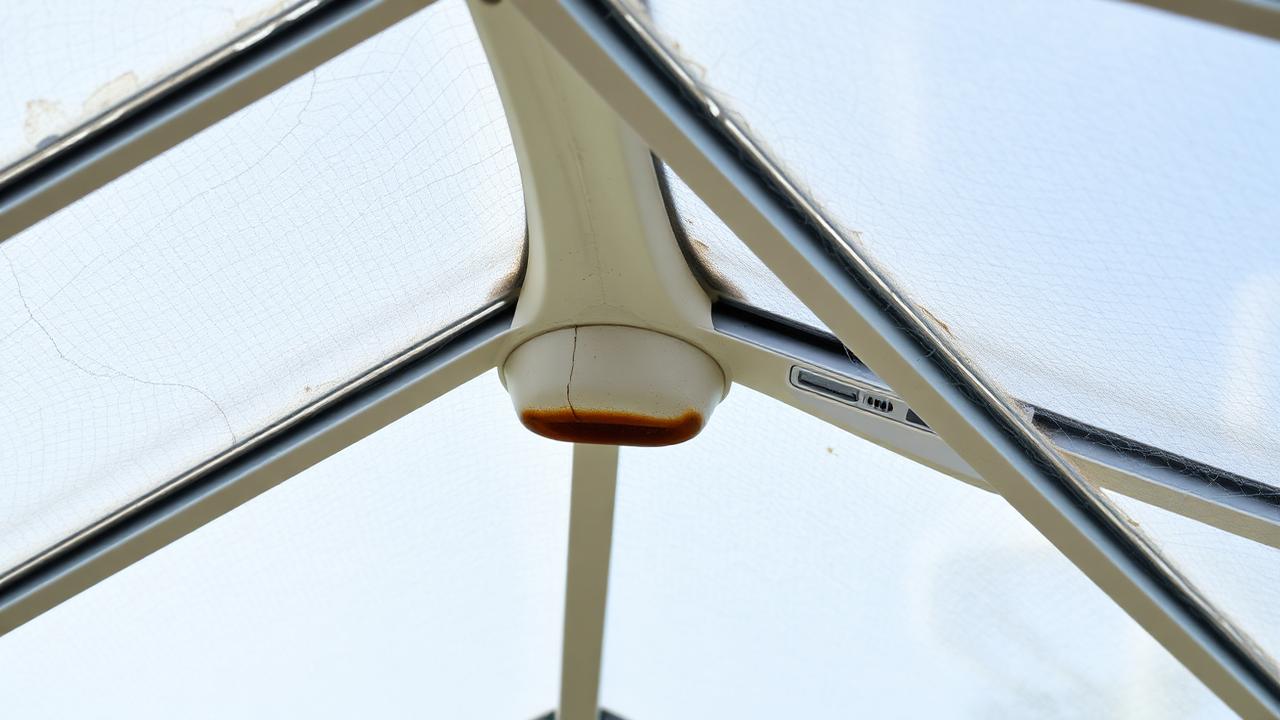
Hairline cracks in a conservatory roof aren't cosmetic — they're a roof telling you it's getting tired. In Plymouth, a combination of UV exposure, salt-laden coastal air and daily thermal expansion means most polycarbonate and budget-glass roofs start to crack between 10 and 15 years from install. Here's why it happens, and what to do for each kind.
Why conservatory roofs crack in Plymouth
1. UV degradation
Polycarbonate is a plastic — and like all plastics, it breaks down under UV. After about a decade in Plymouth's south-facing exposure, the surface yellows and the underlying material becomes brittle. Hairline stress cracks appear around fixings first, then spread.
2. Thermal cycling
Every day the roof heats up in the sun and cools at night. Polycarbonate panels expand and contract more than the aluminium bars holding them, so the fixings gradually wear and the panels develop cracks at stress points.
3. Salt-laden coastal air
Around Plymstock, Saltash and the wider South Devon coast, salt accelerates corrosion of fixings, screw threads and aluminium roof bars. Once fixings start to fail, the panels move, and movement causes cracks.
4. Impact damage
Falling branches, hailstones and even heavy rain after years of UV damage can crack panels that would otherwise have lasted longer. Storm impact is usually covered by insurance — gradual UV failure usually isn't.
Repair or replace?
| Situation | Best option | Approximate cost |
|---|---|---|
| Single panel cracked, roof <10 years | Repair | £180 – £600 |
| Two or more panels cracked | Replace | £5,500 – £11,500 |
| Yellowed, brittle polycarbonate throughout | Replace | £5,500 – £11,500 |
| Cracks plus leaks, condensation or cold room | Replace with warm roof | £5,500 – £11,500 |
See our deeper repair-or-replace decision guide for more.
Why a warm roof solves the cracking problem permanently
The SupaLite warm roof system replaces failure-prone single panels with a fully bonded, lapped tile structure. There are no UV-degrading polycarbonate sheets, no sealed glass units to fail, and no individual fixings to corrode in salt air. It's designed for 25+ years of coastal service and comes with a 10-year insurance-backed guarantee.
Don't ignore early cracks
Common mistakes to avoid
- Treating cracks as cosmetic. Cracks let in water; water rots wall plates and damages plaster behind the connecting house wall.
- Smearing sealant over the symptom. Sealant on a cracked polycarbonate panel rarely holds for more than a season — and obscures the real entry point.
- Repairing a third time. If you've already paid for two repairs and the cracks are spreading, you're throwing good money after bad. Replacement is the cheaper long-term option.
How to tell a small crack from a roof-ending one
Not every crack means immediate replacement. Use this rough triage when you spot one:
- Single hairline crack, panel still clear, roof under 10 years old. Usually a sealed-unit or fixing issue — repairable for £180–£600 and likely to hold for years.
- Crack plus yellowing or cloudiness across the whole roof. The panel material itself has aged out. Patch repairs won't last and new cracks will follow within a season or two.
- Crack accompanied by an internal drip after rain. Water is now inside the structure — see our water ingress guide for what's likely happening at the wall plate.
- Multiple cracks on different panels. The roof system as a whole is failing — see the six warning signs your roof is end-of-life.
Insurance: what's usually covered (and what isn't)
Most home insurance policies in the UK cover sudden, identifiable damage — a fallen branch in a storm, hail impact, vandalism. They do not cover gradual wear, UV degradation or "maintenance" issues. If a storm cracks a panel, take photos before any temporary fix, keep weather reports for the date, and call your insurer before you book a repair. If the roof was already showing UV damage, insurers may contribute to a repair but rarely fund a full replacement.
What we check during a coastal crack survey
On a typical Plymouth or Saltash survey we walk through the roof point-by-point: panel condition, fixings (looking for salt corrosion on screw heads), ridge cap and end-bar seals, flashing where the roof meets the house wall, internal signs of damp on the wall plate, and the state of the gaskets and capping. We then tell you honestly whether you're looking at a £200–£600 targeted repair or a full replacement — and if it's the latter, why. For context on how the same coastal conditions affect whole-roof failure, see our guide to storm-resistant slate roofs.
Free survey across Plymouth, Devon & Cornwall
We survey free across Plymouth, Plymstock, Saltash, Ivybridge, Devon and Cornwall. We do both targeted repairs and full replacements — so we'll tell you straight which one your roof needs. Request your free survey.
Frequently asked questions
Why do conservatory roofs develop cracks?
Three main reasons: UV degradation makes polycarbonate brittle after 10–12 years, daily thermal expansion and contraction stresses fixings, and Plymouth's salty coastal air corrodes hardware. Once one panel cracks, water gets in and the damage spreads.
Can a cracked conservatory roof panel be repaired?
A single cracked polycarbonate panel can usually be replaced for around £180–£350. Glass panels with cracked outer panes can sometimes be re-sealed but more often need full replacement at £300–£600 each.
When should I replace instead of repair?
If you've already replaced one or more panels, the polycarbonate is yellowed, or you're seeing cracks in multiple places, the roof is end-of-life. Replacement with a SupaLite warm roof typically costs £5,500–£11,500 and solves the cracking problem permanently.
Are cracks dangerous?
They're not an immediate safety risk on most domestic conservatories, but they let in water — and persistent leaks rot timber wall plates, damage plaster, encourage mould and can short out conservatory electrics.
Will my insurance cover a cracked roof?
Storm or impact damage usually is covered. Gradual UV deterioration and wear-and-tear cracking generally isn't. Check your policy wording before assuming.
How long do polycarbonate conservatory roofs last?
Typically 10–15 years before cracking, yellowing and leaking start. A SupaLite warm roof is built to last 25+ years and comes with a 10-year insurance-backed guarantee.
Free, no-pressure quote on your conservatory roof
Based in Plymouth — covering Devon & Cornwall. 10-year insurance-backed guarantee.
Ready to Transform Your Conservatory?
Get a free, no-obligation quote for your conservatory roof replacement. We'll visit your home, assess your conservatory, and provide a detailed written quote.
No pushy sales · Same-day reply · 10-year insurance-backed guarantee
Get your free quote
Tell us a little about your conservatory and we'll come back to you within 48 hours. No pushy sales, no obligation.