conservatory roof sealing strips
Conservatory Roof Sealing Strips: When They Work and When They Don't
Conservatory roof sealing strips can offer a temporary fix for minor leaks, but for persistent problems and long-term comfort, a full roof replacement is often the better solution.
Conservatory Roof Sealing Strips: When They Work and When They Don't
A leaky conservatory roof can be a real headache, turning your bright, airy space into a damp, draughty one. Many homeowners, understandably, look for quick and affordable fixes, and conservatory roof sealing strips often come to mind. But are they truly a lasting solution?
Key takeaways
✅ Conservatory roof sealing strips are generally a temporary fix for minor leaks. ✅ They are most effective for small, superficial hairline cracks or perished sealant. ✅ Not suitable for larger structural issues, panel damage, or extensive water ingress. ✅ Always clean and prepare the surface thoroughly for best, albeit short-lived, results. ✅ For long-term solutions, a complete conservatory roof replacement is often the best choice.
Understanding Conservatory Roof Sealing Strips
Conservatory roof sealing strips are typically flexible, self-adhesive tapes or strips designed to be applied over existing seams, joints, or small cracks on a conservatory roof. They’re often made from materials like bitumen, synthetic rubber, or advanced polymers, offering a quick barrier against water.
These strips are commonly marketed as an easy DIY solution for minor leaks. Their appeal lies in their accessibility and the promise of a straightforward application, potentially saving money on professional repairs in the short term.
When Sealing Strips Can Be a Useful Quick Fix
There are specific, limited scenarios where conservatory roof sealing strips might offer a temporary reprieve. They can be somewhat effective if you're dealing with very minor issues, such as:
- Hairline cracks: Extremely small, superficial cracks in existing sealant or a roof panel that aren't indicative of a larger structural problem.
- Perished sealant: Where the original sealant around panels has just started to crack or shrink, leading to very slight moisture ingress. Applying a strip can delay more significant leaking.
- Temporary measures: If you need a very short-term solution while you save for or arrange a more permanent repair.
It's crucial to understand that even in these cases, the fix is rarely permanent. Weather fluctuations, UV exposure, and the movement of the conservatory structure will eventually cause the strips to degrade or lose their adherence.
When Sealing Strips Fall Short and Why
While tempting, sealing strips are overwhelmingly not a long-term answer. Their limitations become obvious when facing more common and complex conservatory roof problems:
Structural Issues
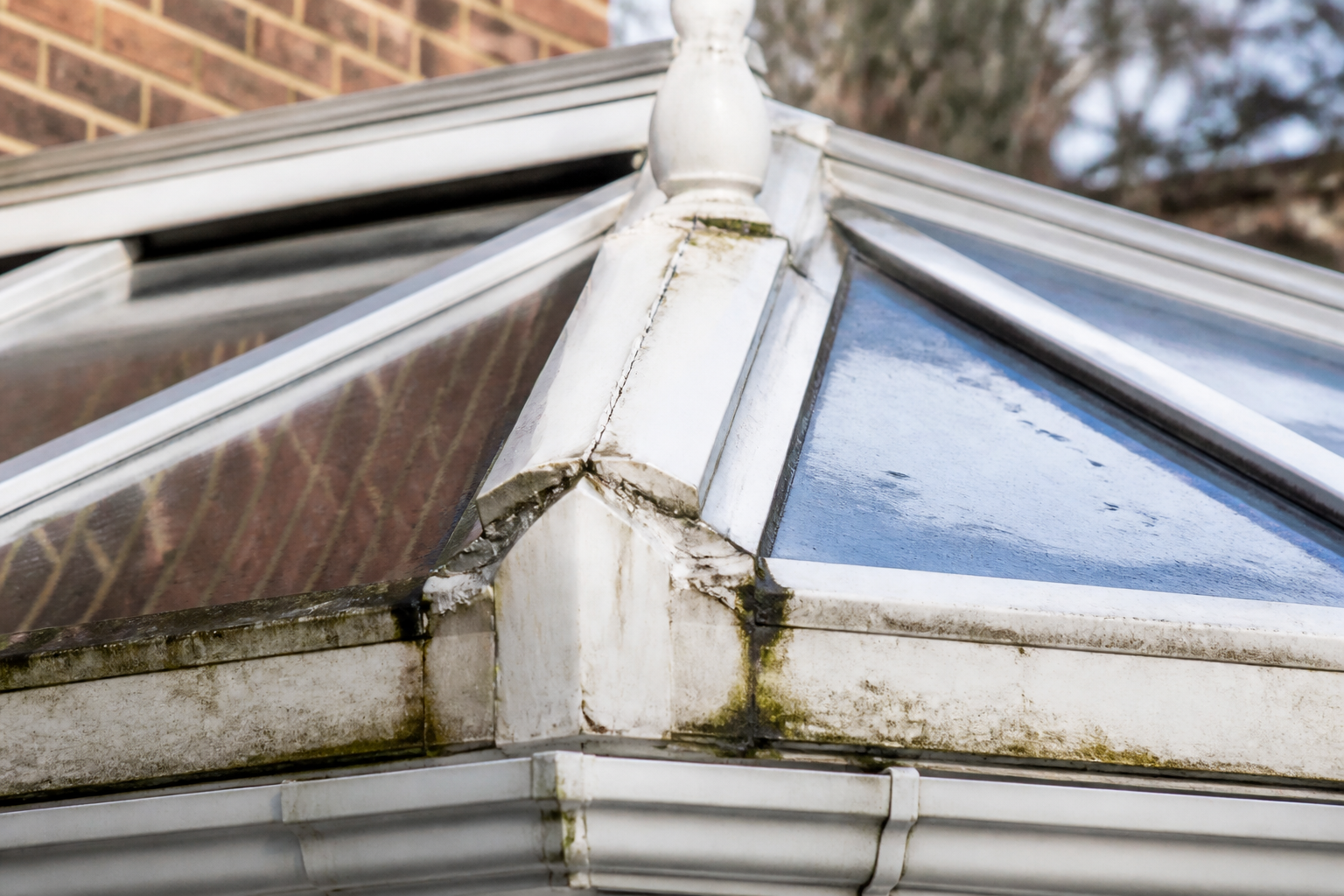
If your conservatory roof is leaking due to structural movement, sagging, or issues with the frame, a sealing strip will do nothing to address the root cause. The underlying problem will continue to worsen, leading to further leaks and potential damage. This includes issues with the rafters, purlins, or wall plates.
Damaged Panels or Gaskets
Major cracks in polycarbonate or glass panels, or significantly degraded rubber gaskets, cannot be effectively sealed by a strip. Water will find its way around or through the compromised material, rendering the strip useless. For leaks around the edges of panels, you might find more success with a proper conservatory roof sealant, but even that is often temporary.
Extensive Water Ingress
If your conservatory is experiencing significant leaks, pooling water, or water running down the interior, sealing strips are like putting a plaster on a broken bone. The volume of water and the extent of the damage are simply too great for such a superficial fix. In these situations, you’ll typically need to replace insulated tiled conservatory roofs or other panel types.
The Importance of Proper Diagnosis
Before attempting any fix, it's essential to accurately diagnose why your conservatory roof is leaking. A quick visual inspection can sometimes reveal obvious damage, but often, the source of a leak can be deceptively tricky to pinpoint.
Factors like driving rain, prevailing winds, and specific angles can mean that water enters one place and appears much further along or below. Without a proper assessment, you could be applying sealing strips in the wrong area, or worse, masking a more severe problem that requires professional intervention.
Sealing Strip vs. Permanent Repair
Let's look at the key differences:
| Feature | Conservatory Roof Sealing Strip | Permanent Roof Replacement (e.g., SupaLite™) |
|---|---|---|
| Problem Addressed | Minor cracks, temporary sealing of small leaks | Structural issues, panel damage, poor insulation, extensive leaks |
| Longevity | Short-term (months to a few years at best) | Long-term (20+ years, with 10-year insurance-backed guarantees) |
| Effectiveness | Limited, surface-level, doesn't address root cause | Comprehensive, resolves all leak issues, improves insulation |
| Cost | Low initial cost (£20-£100 for materials) | Higher initial investment (from £6,000) |
| Insulation Improvement | None | Significant (transforms thermal performance) |
| Impact on Room Comfort | Negligible | Dramatically improves comfort, reduces heating/cooling costs |
For enduring comfort and energy efficiency, a proper warm roof conservatory system like the SupaLite™ is incomparable.
Why a SupaLite™ Insulated Warm Roof is the Lasting Solution
At Southside Better Roofs, we specialise in replacing old, inefficient conservatory roofs with the SupaLite™ insulated warm-roof system. This isn’t a temporary patch; it’s a complete upgrade that addresses every common conservatory roof problem, including leaks, poor insulation, and a noisy environment.
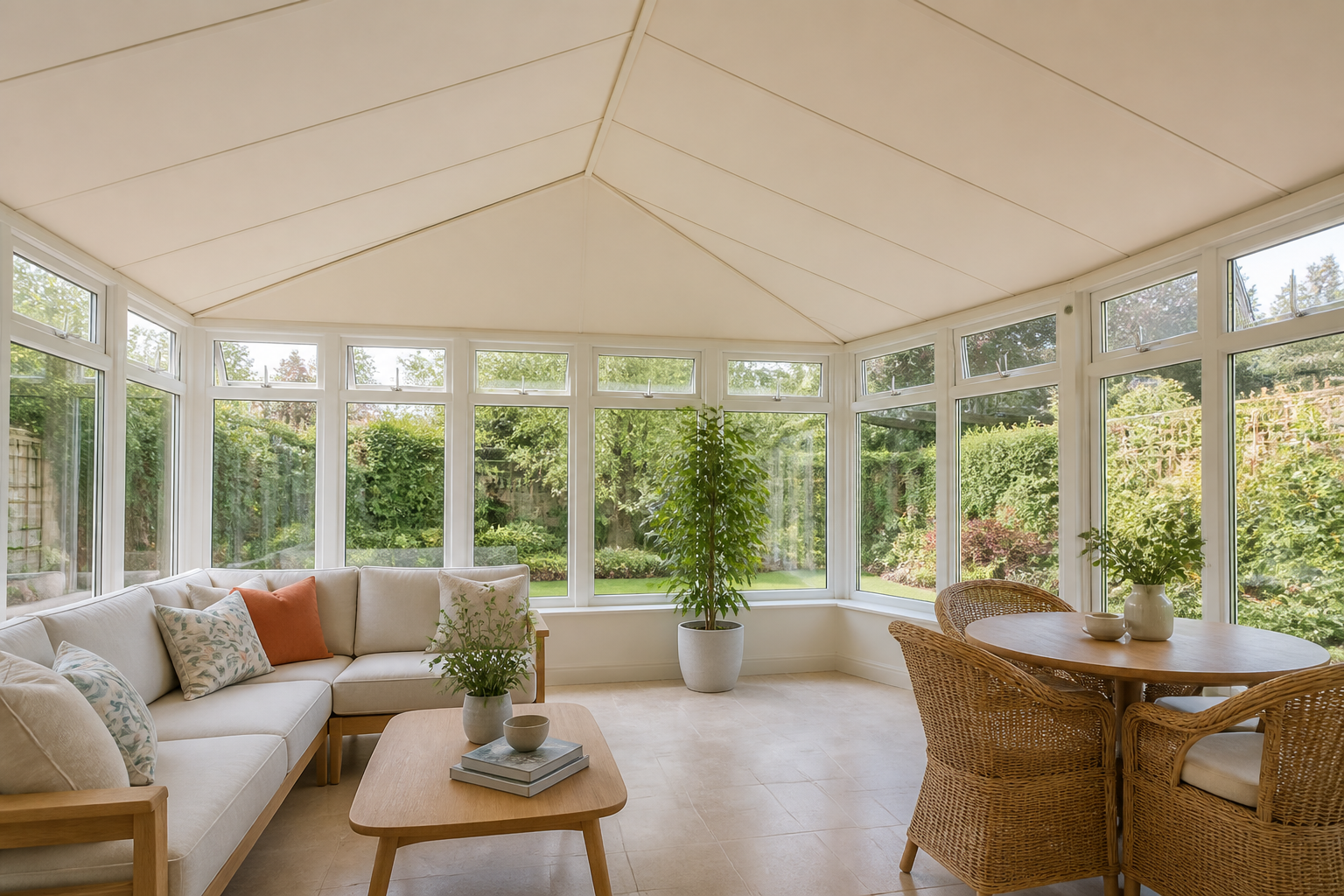
Our SupaLite™ system replaces your existing roof with a fully insulated, lightweight tiled roof. This means no more leaks, no more extreme temperatures, and a conservatory that truly becomes an integral part of your home, usable all year round. This kind of conservatory roof replacement offers a two-tier 10-year insurance-backed guarantee, covering both the product and our workmanship – something no sealing strip could ever offer. You can find out more about the supalite roof on our blog.
Common mistakes to avoid
- Not cleaning the surface thoroughly: Any dirt, moss, or old sealant will prevent the strip from adhering properly.
- Applying to a wet surface: Sealing strips need a dry surface to bond effectively; otherwise, they’ll fail quickly.
- Using on large gaps or holes: Strips are for minor cracks, not for bridging significant gaps where they'll just sag or come loose.
- Ignoring the root cause: Thinking a strip will fix a structural issue; it's just a band-aid.
- Assuming longevity: Expect strips to be temporary; don't rely on them as a permanent repair.
Frequently asked questions
Will conservatory roof sealing strips stop a major leak?
No, sealing strips are designed for very minor, superficial leaks. For major leaks, they will be ineffective and won't address the underlying problem.
How long do conservatory roof sealing strips last?
Typically, only a few months to a couple of years at most, depending on weather exposure and the quality of application. They are not a long-term solution.
Can I apply sealing strips over an existing cracked sealant?
Yes, for very minor cracks, you can apply them over existing sealant after thoroughly cleaning and drying the area. However, it's still a temporary fix.
Are sealing strips a DIY job?
Yes, they are generally marketed as a DIY product. However, working at height can be dangerous, and safety precautions must always be observed.
What is a more permanent solution for a leaky conservatory roof?
For a truly permanent and effective solution, replacing the entire conservatory roof with a modern, insulated system like the SupaLite™ warm roof is recommended.
Do sealing strips improve insulation?
No, sealing strips focus solely on creating a waterproof barrier for small leaks and offer no insulating properties.
If you’re frustrated with a leaking, noisy, or uncomfortable conservatory in Plymouth, Devon, or Cornwall, don't waste time and money on temporary fixes. Get in touch with Southside Better Roofs for a free, no-pressure survey. We’ll provide an expert assessment and a tailored quotation for a SupaLite™ insulated warm-roof system, designed to transform your conservatory for good. Our lead time is usually 4–6 weeks, sometimes as short as 2, with prices from £6,000. Call us today on 0330 043 3884.
Related reading
Free, no-pressure quote on your conservatory roof
Based in Plymouth — covering Devon & Cornwall. 10-year insurance-backed guarantee.
Ready to Transform Your Conservatory?
Get a free, no-obligation quote for your conservatory roof replacement. We'll visit your home, assess your conservatory, and provide a detailed written quote.
No pushy sales · Same-day reply · 10-year insurance-backed guarantee
Get your free quote
Tell us a little about your conservatory and we'll come back to you within 48 hours. No pushy sales, no obligation.