
Comfort
Why Your Plymouth Conservatory Feels Draughty (and How to Fix It)
Draughty conservatory in Plymouth? The four most common causes — door seals, wall plate, glazing gaskets, roof — and how to fix each one for good.
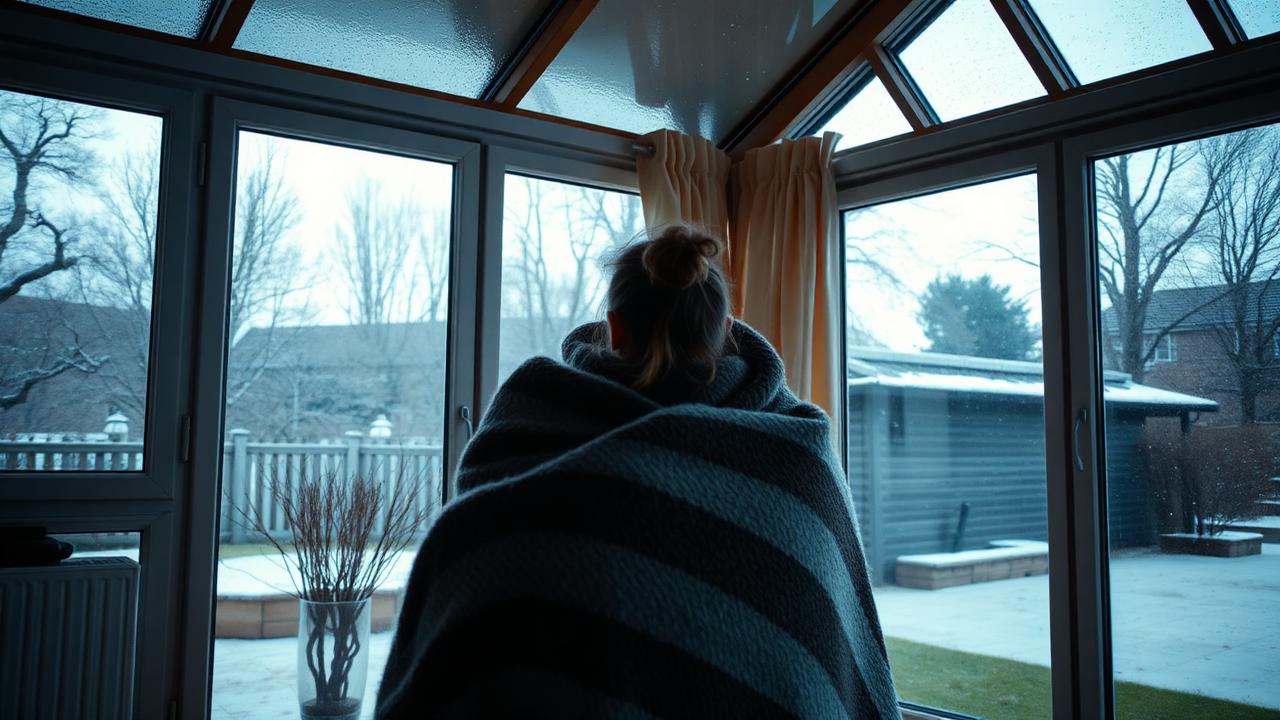
Cold draughts always have a source — and in Plymouth conservatories, that source is almost always one of four spots. Here's exactly where to look, what each problem costs to fix, and how to tell the difference between a real draught and a room that's just losing too much heat through the roof.
1. Door seals (start here)
French doors and bifold doors are the single most common draught source. The rubber bottom seals perish after 5–8 years and gaps appear at the door bottom and where the doors meet. Replacement seals are typically £40–£80 fitted and eliminate the draught immediately.
2. The wall plate (where the conservatory meets the house)
Over time the sealant along the wall plate dries, shrinks and pulls away from the masonry. Cold air pulls in along the entire run — often felt as a cold downdraught at head height. Re-sealing is usually £200–£400 depending on the length, and it's a job that's worth doing properly with a flexible mastic, not a hard silicone that will fail again.
3. Glazing gaskets in the roof
On glass conservatory roofs, the rubber gaskets between every panel age in UV and lose their seal. Wind drives air through the gaps and you feel it as a cool draught descending from above — particularly noticeable on cold, windy nights. Re-gasketing is £150–£600 depending on how many joints have failed.
4. The roof itself
Old polycarbonate roofs warp and develop gaps around the ridge and end-caps. At this stage you're not just dealing with a draught — you're dealing with a roof that's at end of life. See our warning signs your roof needs replacing guide for the full list. The fix is replacement, typically £5,500–£11,500 for a SupaLite warm roof.
How to find your draught
Pick a windy day. Hold a lit incense stick or a smouldering taper near each suspect spot — the smoke trail shows exactly where air is moving. Work methodically: bottom of doors, around door frames, along the wall plate (top and bottom), each glazing gasket in the roof, ridge cap, and end caps.
Draught vs. heat loss — they feel the same, they're not
Many customers describe the room as "draughty" when the actual problem is heat loss through a poorly insulated roof. The room feels cold, you feel a chill on your skin, but if you do the smoke test there's no actual moving air — just a very cold ceiling pulling warm air upwards. The fix is insulation: see poor insulation problems.
The right order of fixes
| Fix | Approximate cost | What it solves |
|---|---|---|
| New door seals | £40 – £80 | Door-bottom and frame draughts |
| Wall-plate re-sealing | £200 – £400 | Cold downdraught at head height |
| Roof gasket replacement | £150 – £600 | Cool draught from above |
| Full warm roof replacement | £5,500 – £11,500 | All of the above + heat loss + condensation + noise |
When replacement is the right call
If you've already done two or more of the smaller fixes and the room still feels uncomfortable, the roof is the underlying problem. A SupaLite warm roof seals the wall-plate junction permanently, replaces all gasket-prone panels with solid lapped tiles, and brings the room's temperature in line with the rest of the house.
The diagnostic checklist
- Pick a windy evening — at least 20 mph wind.
- Close every door and window in the conservatory.
- Light an incense stick or smoke pen.
- Hold it 5 cm from each suspect spot, watching the smoke trail.
- Mark each draught spot with masking tape.
- Photograph each one — useful for any tradesman quote.
- Tally the fixes against the table above to estimate cost.
- If the total is over ~£800, get a replacement quote for comparison.
Why we recommend tackling them in order
Door seals first because they're cheap and almost always part of the problem. Wall plate next because it usually accounts for the worst single source of cold air. Roof gaskets only after the first two — there's no point re-gasketing a roof that's two years from end-of-life. If you've worked through the first three and the room still feels uncomfortable, the underlying issue is heat loss through the roof itself, and that's a warm roof conversation. See the warm roof vs glass guide for the comparison.
Common draught fix mistakes
Common mistakes to avoid
- Sealing trickle vents shut. Removes the draught feeling but causes condensation within weeks. Always leave at least one trickle vent open.
- Expanding foam at the wall plate. Looks like a fix but expands and pushes the flashing further out, making it worse. Use flexible MS-polymer mastic instead.
- Replacing one gasket at a time. If one gasket has failed, the others are typically within a year of failing. Re-gasket the whole roof, not single panels.
- Ignoring the floor. Cold air pools at floor level. If your conservatory has a suspended floor or no floor insulation, that contributes to the "draughty" feeling even when no air is moving.
What customers tell us after a warm roof install
The most common feedback after a SupaLite install isn't about looks or noise — it's "the cold draught is gone". Replacing the roof seals the wall-plate junction permanently, eliminates every gasket joint, and brings the ceiling surface temperature in line with the rest of the house. The room stops pulling warm air upwards into a cold cavity, so the whole space stays at room temperature.
Free draught survey
Not sure which fix you actually need? Book a free survey. We'll do the smoke test ourselves, identify every draught and tell you straight whether it's a £40 fix or whether the roof needs attention. We cover Plymouth, Plymstock, Plympton, Ivybridge, Saltash, Devon and Cornwall.
Frequently asked questions
Why is my conservatory so draughty?
Almost always one of four spots: perished door seals, gaps along the wall plate where the conservatory meets the house, perished glazing gaskets in the roof, or simply heat loss through an uninsulated roof so the room feels cold even without an actual draught.
How can I find where the draught is coming from?
On a windy day, hold a lit incense stick or a smouldering taper near each frame, door, wall-plate junction and gasket — the smoke shows you exactly where air is moving.
Will new door seals fix the problem?
Often, yes — replacing perished door seals is a £40–£80 fix and stops the most obvious door-bottom draughts. It won't fix wall-plate or roof draughts, which usually need a proper survey.
Is a draught the same as a cold conservatory?
No. A draught is moving air; a cold conservatory is heat loss through poor insulation. Many homes have both — the room loses heat through the roof and the cold air pulls in through any gap. A warm roof solves the heat-loss half permanently.
Can a new roof stop draughts?
It eliminates roof-related draughts (gasket failure, ridge gaps) and seals the wall plate at the junction with the house. Door and side-window draughts may still need separate attention, but most customers say the conservatory feels transformed.
Do you offer free draught surveys in Plymouth?
Yes — we survey free across Plymouth, Plymstock, Saltash, Ivybridge, Devon and Cornwall, and we'll tell you straight whether it's a £40 fix or whether the underlying roof needs attention.
Free, no-pressure quote on your conservatory roof
Based in Plymouth — covering Devon & Cornwall. 10-year insurance-backed guarantee.
Ready to Transform Your Conservatory?
Get a free, no-obligation quote for your conservatory roof replacement. We'll visit your home, assess your conservatory, and provide a detailed written quote.
No pushy sales · Same-day reply · 10-year insurance-backed guarantee
Get your free quote
Tell us a little about your conservatory and we'll come back to you within 48 hours. No pushy sales, no obligation.