best sealant for leaking conservatory roof
Best Sealant for a Leaking Conservatory Roof (and When It Won't Save You)
Discover when a sealant can fix a leaking conservatory roof and, more importantly, when it's a temporary solution to a bigger problem. Learn about durable alternatives for…
The Best Sealant for a Leaking Conservatory Roof (and When It Won't Save You)
A persistent drip can turn your beloved conservatory from a bright haven into a frustrating space. While reaching for a sealant might seem like the quickest fix, it's crucial to understand when this approach is effective and, more importantly, when it's simply delaying the inevitable. This guide from Southside Better Roofs in Plymouth will help you navigate the world of conservatory roof sealants.
Key Takeaways
✅ Sealants offer temporary fixes for small leaks, especially around flashing or minor cracks. ✅ Not all sealants are created equal; choose one designed for outdoor, UV-exposed applications. ✅ Thorough preparation, including cleaning and drying the area, is vital for sealant success. ✅ A leaking conservatory roof often points to a larger underlying structural or material issue. ✅ For persistent leaks and long-term comfort, a full conservatory roof replacement is the most effective solution.
Understanding Your Leaky Conservatory Roof
Before you even think about sealants, it's important to pinpoint the source of the leak and understand its potential cause. Leaks can stem from many places: cracked or degraded panels, perished seals, loose flashing, or even issues with the frame itself. A seemingly small drip could be indicative of a larger problem brewing beneath the surface.
Identifying the exact leak point is the first step. This might involve a bit of detective work, perhaps even a ladder and a friend to help you observe during a light shower. Remember to always prioritise safety when working at heights. Once you've located the leak, you can start to assess whether a sealant is a viable option for a temporary repair.
Types of Sealants for Conservatory Roofs
When faced with a leak, the sealant aisle can be overwhelming. Not all sealants are suitable for the unique demands of a conservatory roof, which endures constant exposure to UV rays, extreme temperatures, and heavy rain. Choosing the right type is paramount for even a temporary fix.
Silicone sealants are often a go-to for their flexibility and water resistance, making them ideal for sealing around joints and seams. However, for more aggressive leaks or larger gaps, a butyl rubber sealant might offer better long-term (though still temporary) adhesion and waterproofing. Modified Polymer (MP) sealants are another excellent choice, offering good adhesion to various materials and excellent weather resistance. Avoid general-purpose DIY sealants that aren't specifically rated for outdoor use or architectural applications.
| Sealant Type | Key Features | Best Use Case | Longevity (Temporary) |
|---|---|---|---|
| Silicone | Flexible, water-resistant, good UV stability | Sealing small cracks, gaps around panels/flashing | 1-3 years |
| Butyl Rubber | Strong adhesion, excellent waterproofing, sticky | Larger gaps, re-sealing flashing, minor roof panel | 2-5 years |
| Modified Polymer | Versatile, good adhesion to many materials, paintable | General sealing, bonding, good all-rounder for leaks | 3-7 years |
How to Apply Sealant Effectively (for Temporary Relief)
Applying sealant effectively isn't just about squirting it on; preparation is key. First, ensure the area is scrupulously clean and dry. Any dirt, mould, old sealant residues, or moisture will prevent the new sealant from adhering properly, rendering your efforts useless. Use a stiff brush, a degreaser if necessary, and allow ample drying time.
Next, use masking tape to create neat lines around the area you intend to seal. This not only makes the job look professional but also helps contain the sealant application. Apply the sealant smoothly and evenly, ensuring it fills the gap completely. Use a sealant tool or a gloved finger dipped in soapy water to achieve a smooth finish. Allow the sealant to cure fully according to the manufacturer's instructions before exposing it to rain. Remember, this is a patch-up job, and often, an underlying issue will persist or recur.
When Sealant Isn't Enough: Recognising a Deeper Problem
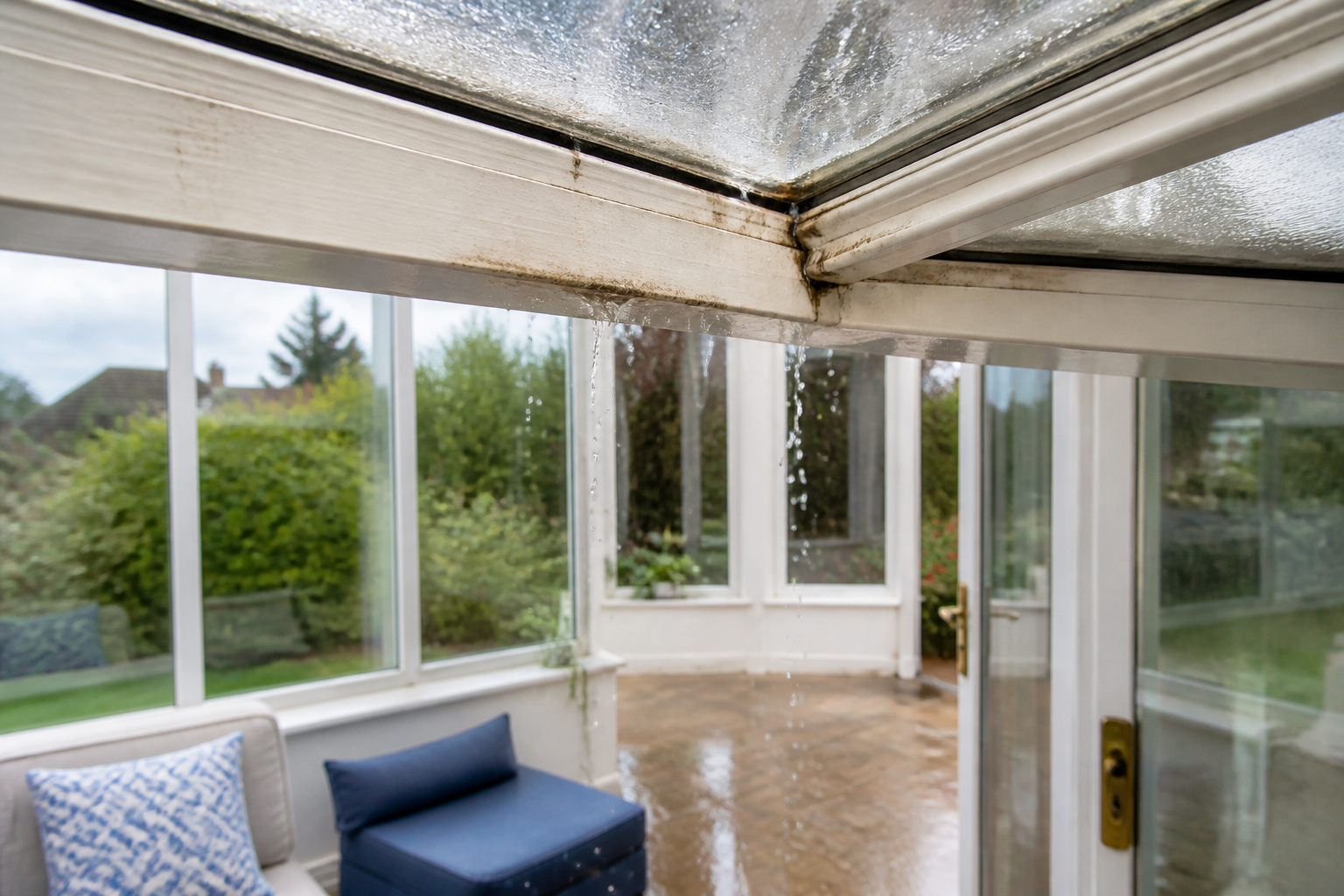
While a good quality sealant can offer a lifeline for minor leaks, there comes a point where it's no longer a solution. If you're constantly reapplying sealant, if the leaks are widespread, or if you notice structural issues like sagging panels or degraded frames, then sealant is merely a band-aid on a much larger wound. For many homeowners in Plymouth, the tell-tale signs are often fluctuating temperatures, high energy bills, and a general feeling of dampness, indicating the conservatory's thermal performance is severely compromised.
Persistent leaks, particularly those affecting the structural integrity of your conservatory, are a clear sign that a more robust solution is required. An old polycarbonate or glass roof might simply be past its prime, offering poor insulation and becoming increasingly brittle. In such cases, attempting to seal every leak becomes a never-ending and costly cycle, and you might want to consider the benefits of insulated tiled conservatory roofs.
The Long-Term Solution: A SupaLite™ Insulated Warm Roof System
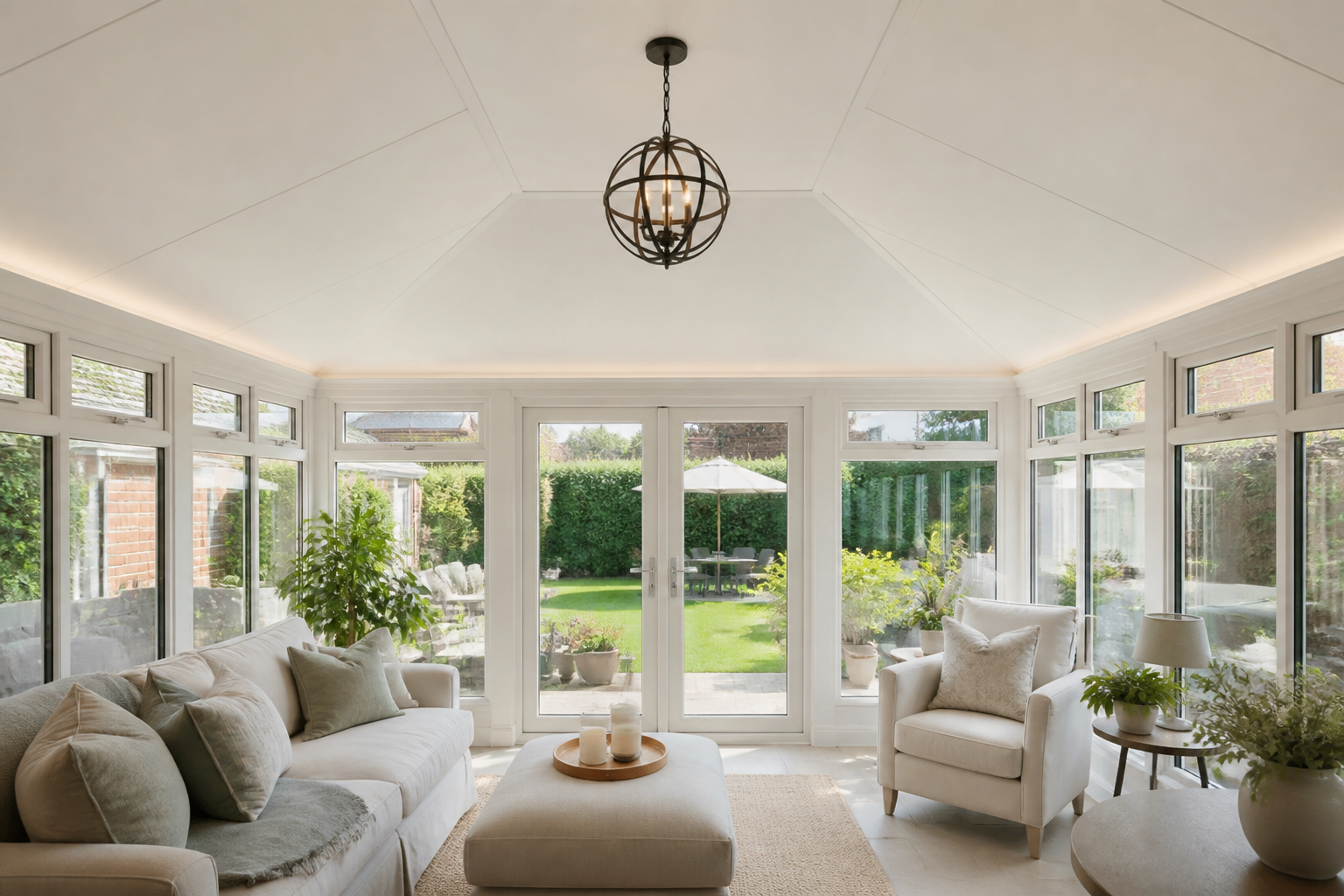
For homeowners in Plymouth, Devon, and Cornwall looking for an end to leaks, extreme temperatures, and high energy bills, a full conservatory roof replacement is often the most sensible and cost-effective long-term answer. At Southside Better Roofs, we specialise exclusively in the installation of the SupaLite™ insulated warm-roof system. This advanced solid roof system completely replaces your existing conservatory roof, transforming it into a thermally efficient, comfortable extension of your home.
Unlike traditional conservatory roofs, the SupaLite™ system is designed with multiple layers of insulation, ensuring your conservatory stays warm in winter and cool in summer. This not only eliminates leaks for good but also significantly reduces heating and cooling costs. It's a permanent solution, offering a comfortable living space regardless of the weather outside. Furthermore, the SupaLite™ system comes with a 10-year insurance-backed guarantee for both the product and our workmanship, giving you complete peace of mind. Many of our customers discover their decision to opt for a warm roof conservatory was one of the best home improvements they'd ever made.
Common mistakes to avoid
- Ignoring the cause: Don't just seal the symptoms; try to understand why your roof is leaking in the first place.
- Applying over dirt/damp: Sealant needs a clean, dry surface to adhere properly.
- Using unsuitable sealant: General purpose sealants won't withstand the outdoor conditions on a conservatory roof.
- Over-reliance on temporary fixes: If leaks return quickly, it's a sign you need a permanent solution.
- Neglecting safety: Always use appropriate safety gear, especially when working at height.
Frequently asked questions
H3 Can I paint over conservatory roof sealant?
Some sealants, particularly Modified Polymer (MP) types, are paintable. However, it's crucial to check the specific product instructions before attempting to paint over any sealant.
H3 How often should I reseal my conservatory roof?
If you're continually having to reseal your conservatory roof, it strongly indicates that the initial sealant application was a temporary fix and a more permanent solution might be needed. For minor repairs, a good quality sealant might last a few years.
H3 What should I do if the leak is coming from the roof panels themselves?
If the polycarbonate or glass panels are cracked or degraded, then sealant will only ever be a very short-term patch. You'll likely need panel replacement, or consider a full roof replacement for a long-term solution.
H3 Are there any waterproof tapes I can use for a conservatory roof leak?
Yes, there are specialist waterproof repair tapes available, often made of butyl rubber, which can offer a quick, temporary fix for small cracks or holes. However, like sealants, they are not a permanent solution for significant issues.
H3 How do I know if my conservatory is suitable for a solid warm roof replacement?
Most conservatories are suitable for a solid warm roof replacement, like the SupaLite™ system. At Southside Better Roofs, we conduct a thorough, free survey to assess your existing structure and ensure compatibility. For more information, you might find our article "Will my conservatory support a tiled roof" helpful.
Put an end to your leaky conservatory worries for good. Contact Southside Better Roofs for a free, no-pressure survey of your conservatory in Plymouth, Devon, or Cornwall. We specialise in the SupaLite™ insulated warm-roof system, providing a cosy, leak-free space all year round. Our lead time is typically 4–6 weeks, sometimes as short as 2, and prices start from £6,000. Call us today on 0330 043 3884 to reclaim your conservatory.
Related reading
Free, no-pressure quote on your conservatory roof
Based in Plymouth — covering Devon & Cornwall. 10-year insurance-backed guarantee.
Ready to Transform Your Conservatory?
Get a free, no-obligation quote for your conservatory roof replacement. We'll visit your home, assess your conservatory, and provide a detailed written quote.
No pushy sales · Same-day reply · 10-year insurance-backed guarantee
Get your free quote
Tell us a little about your conservatory and we'll come back to you within 48 hours. No pushy sales, no obligation.